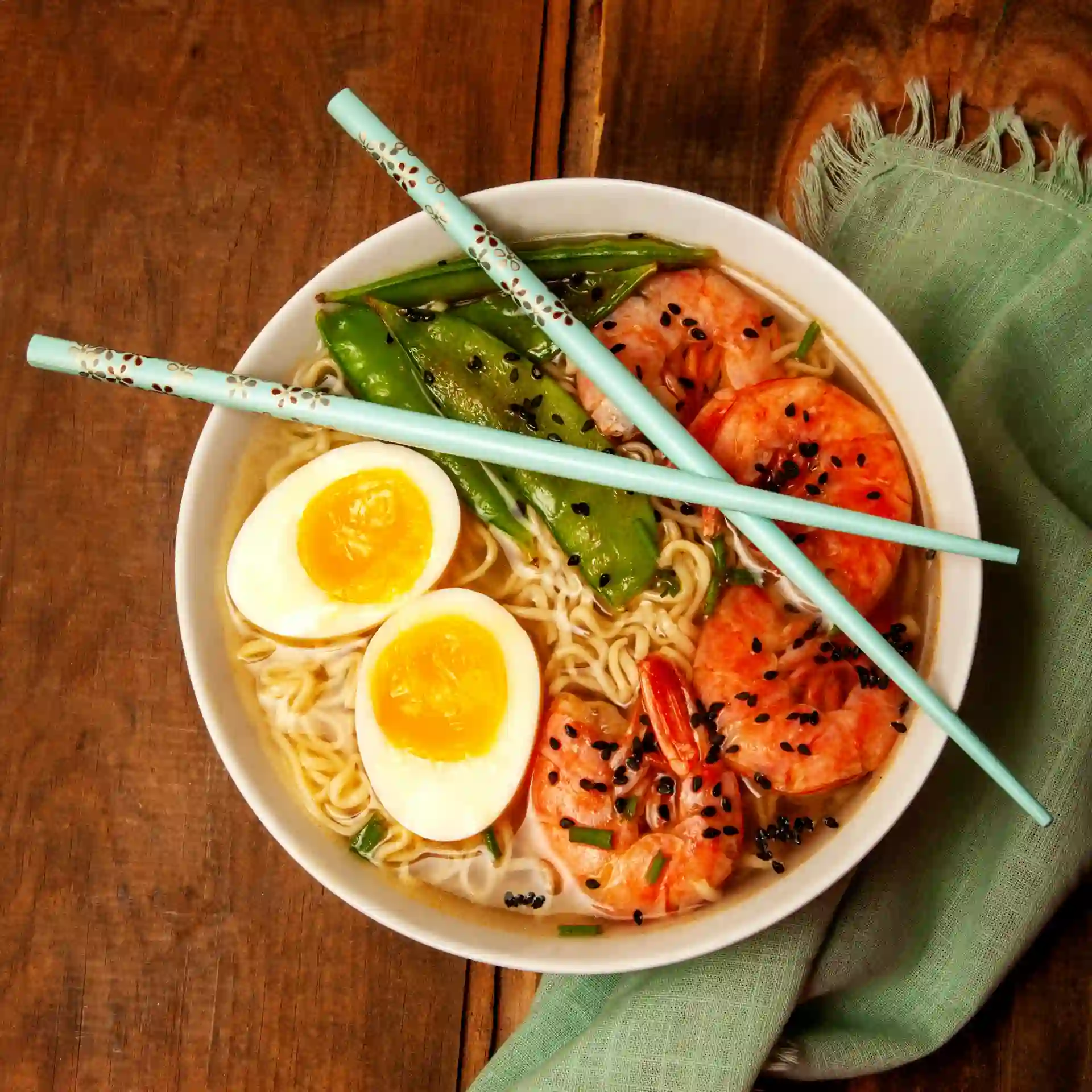
Overhead view of a Japanese ramen bowl with shrimp, soft-boiled egg, and snap peas

Food

10 Japanese Regions Every Food Lover Should Visit

Japan's food culture changes dramatically by region. These 10 regions — from Hokkaido's seafood to Okinawa's subtropical cuisine — are where to go if you're planning a trip around what you eat.

Japanese food is not one cuisine — it's dozens of regional food cultures shaped by local geography, climate, and history. The ramen in Sapporo has almost nothing in common with the ramen in Hakata, and Kyoto's refined kaiseki tradition sits a world away from Osaka's street food culture, even though the two cities are an hour apart by train.

If you're planning a trip around food, thinking in terms of region — not just restaurant lists — will get you much further. Here are 10 regions with a genuinely distinct food identity, and what to look for in each.

Quick Comparison

#NameLocationBest forBest seasonTime
1OsakaOsaka, KansaiStreet food, First-time visitors, Casual diningYear-round2-3 days
2HokkaidoHokkaido, HokkaidoSeafood lovers, Ramen lovers, Summer travel (cooler climate)Summer for mild weather, winter for snow crab and skiing4-5 days
3Fukuoka (Hakata)Fukuoka, KyushuRamen lovers, Nightlife dining, Budget-friendly food travelSpring and autumn for comfortable evenings at yatai2-3 days
4KyotoKyoto, KansaiFine dining, Tea culture, Traditional cuisineSpring and autumn2-4 days
5HiroshimaHiroshima, ChugokuOkonomiyaki fans, Oyster lovers, Combining with MiyajimaWinter for oysters at their peak1-2 days
6KanazawaIshikawa, Hokuriku (Chubu)Seafood lovers, Combining food with traditional crafts, Quieter alternative to KansaiWinter for peak seafood (crab season)1-2 days
7NagoyaAichi, Chubu (Tokai)Miso lovers, Coffee shop culture, Off-the-main-route food travelYear-round1-2 days
8TokyoTokyo, KantoEvery kind of food traveler, Fine dining, SushiYear-round3-5+ days
9Yamanashi & NaganoYamanashi / Nagano, ChubuWine lovers, Soba lovers, Mountain sceneryAutumn (harvest season and foliage)2-3 days
10OkinawaOkinawa, OkinawaAdventurous eaters, Beach-and-food combination trips, A break from mainland Japanese cuisineSpring and early summer, before peak typhoon season3-4 days

Where These Are

Kansai — Osaka, Kyoto
Hokkaido
Kyushu — Fukuoka
Chugoku — Hiroshima
Hokuriku (Chubu) — Ishikawa
Chubu (Tokai) — Aichi
Kanto — Tokyo
Chubu — Yamanashi / Nagano
Okinawa
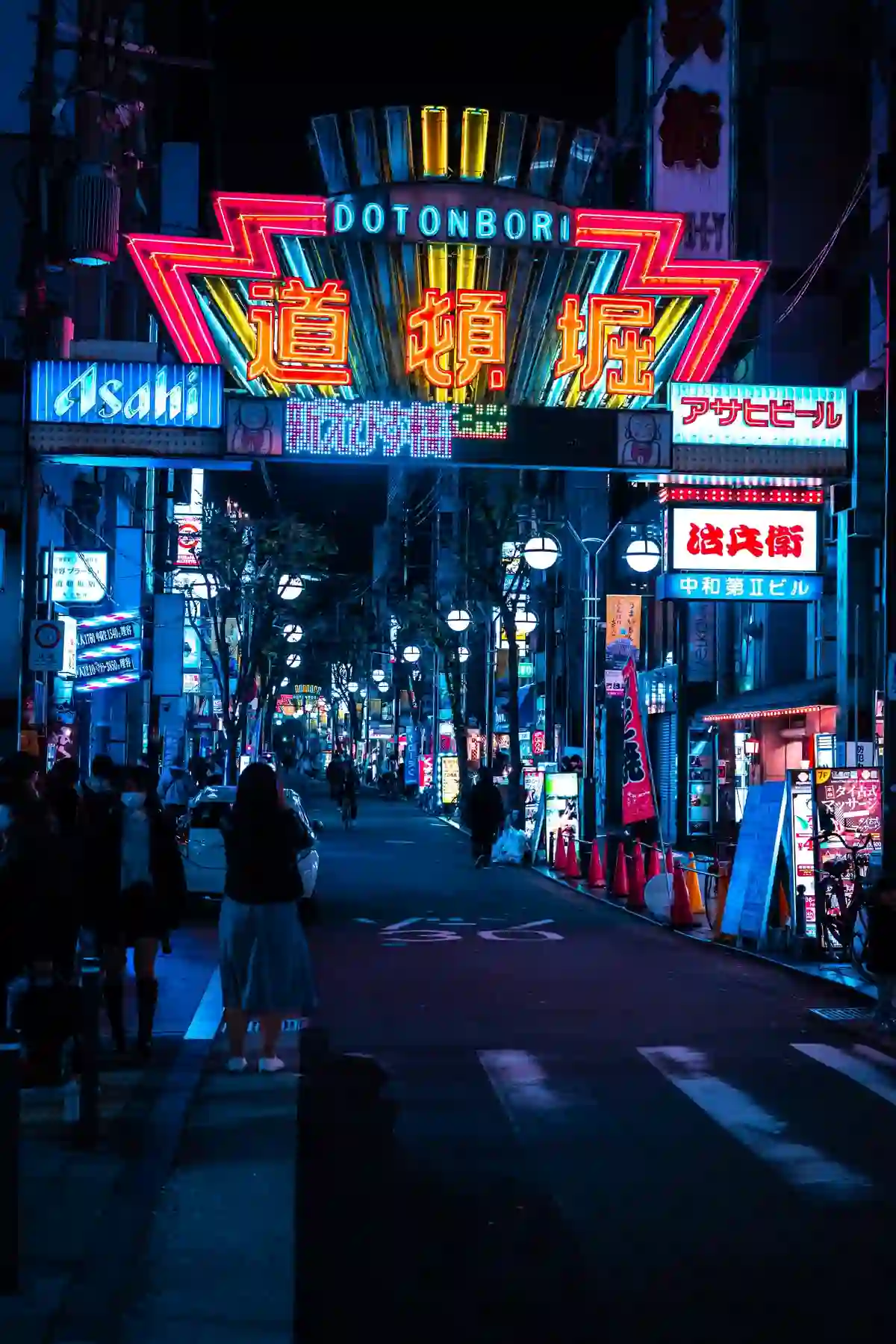
A neon-lit street at night in Osaka's Dotonbori district

#1

Osaka大阪

Osaka · Kansai

Long nicknamed "the nation's kitchen," Osaka built its identity on trade and food, and it shows in a street food culture that's more casual and boisterous than anywhere else in Japan. This is the birthplace of takoyaki and Osaka-style okonomiyaki.

Best for
Street food, First-time visitors, Casual dining
Best season
Year-round
Suggested time
2-3 days

Highlights

  • Dotonbori, Osaka's neon-lit street food district
  • Kuromon Ichiba Market for fresh seafood and quick bites
  • The casual, standing-bar food culture around Shinsekai

Local food to try

  • Takoyaki (octopus balls)
  • Okonomiyaki (savory pancake)
  • Kushikatsu (fried skewers)

Cultural notes

Osaka's food culture leans informal — eating while walking is common in food districts like Dotonbori, unlike the general norm elsewhere in Japan of not eating while walking.

Travel tips

Osaka is well connected by train to both Kyoto and Nara, making it a practical food-focused base for a broader Kansai itinerary.

Nearby: Kyoto, Nara, Kobe
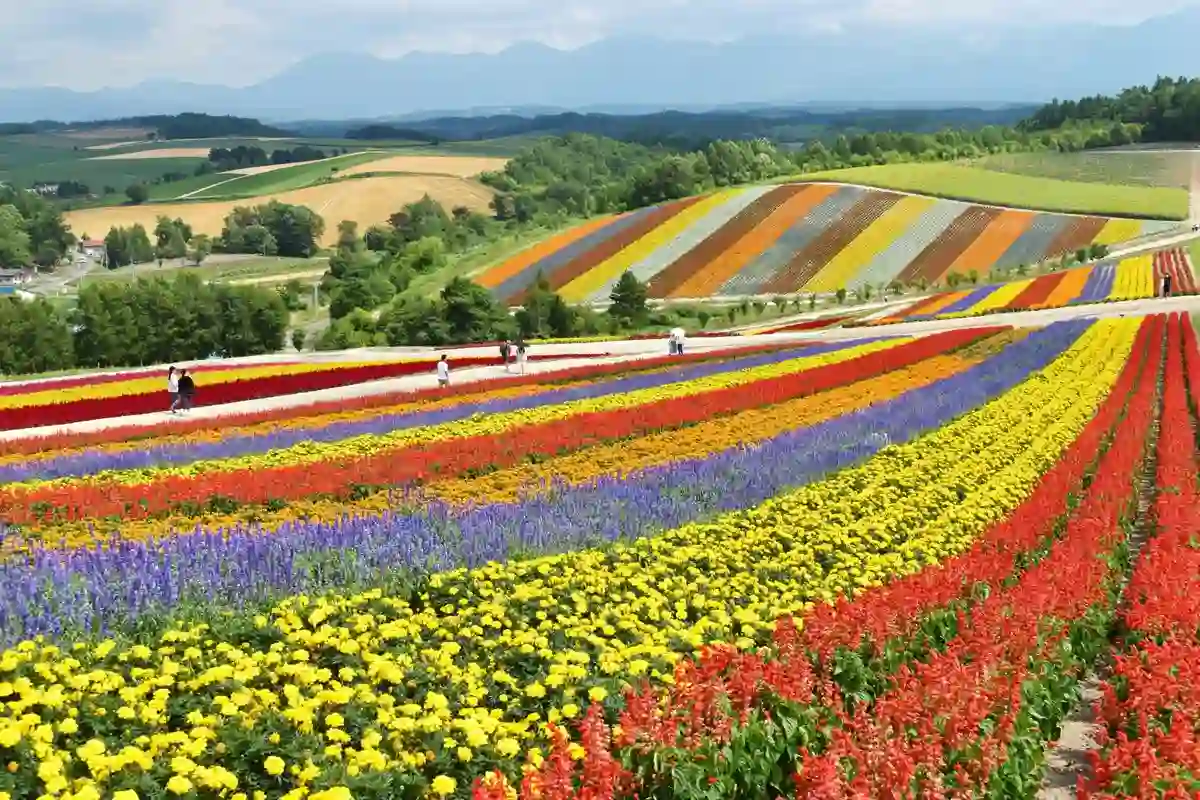
A colorful flower field in Hokkaido's Furano region

#2

Hokkaido北海道

Hokkaido · Hokkaido

Japan's northernmost island has cold waters, rich dairy farmland, and some of the country's best seafood as a result. It's also where miso ramen originated, in the city of Sapporo.

Best for
Seafood lovers, Ramen lovers, Summer travel (cooler climate)
Best season
Summer for mild weather, winter for snow crab and skiing
Suggested time
4-5 days

Highlights

  • Sapporo's ramen alleys, especially for miso ramen
  • Hakodate's morning seafood market
  • Furano and Biei's farmland scenery in summer

Local food to try

  • Miso ramen
  • Uni (sea urchin)
  • Crab
  • Soft-serve and dairy products
  • Soup curry

Cultural notes

Hokkaido's food culture is younger and more fusion-oriented than mainland Japan's, shaped by its relatively recent settlement history and colder climate, which favors dairy and hearty dishes.

Travel tips

Hokkaido is large — distances between Sapporo, Hakodate, and Furano are significant, so a food-focused trip benefits from picking two or three bases rather than trying to cover the whole island.

Nearby: Otaru, Niseko

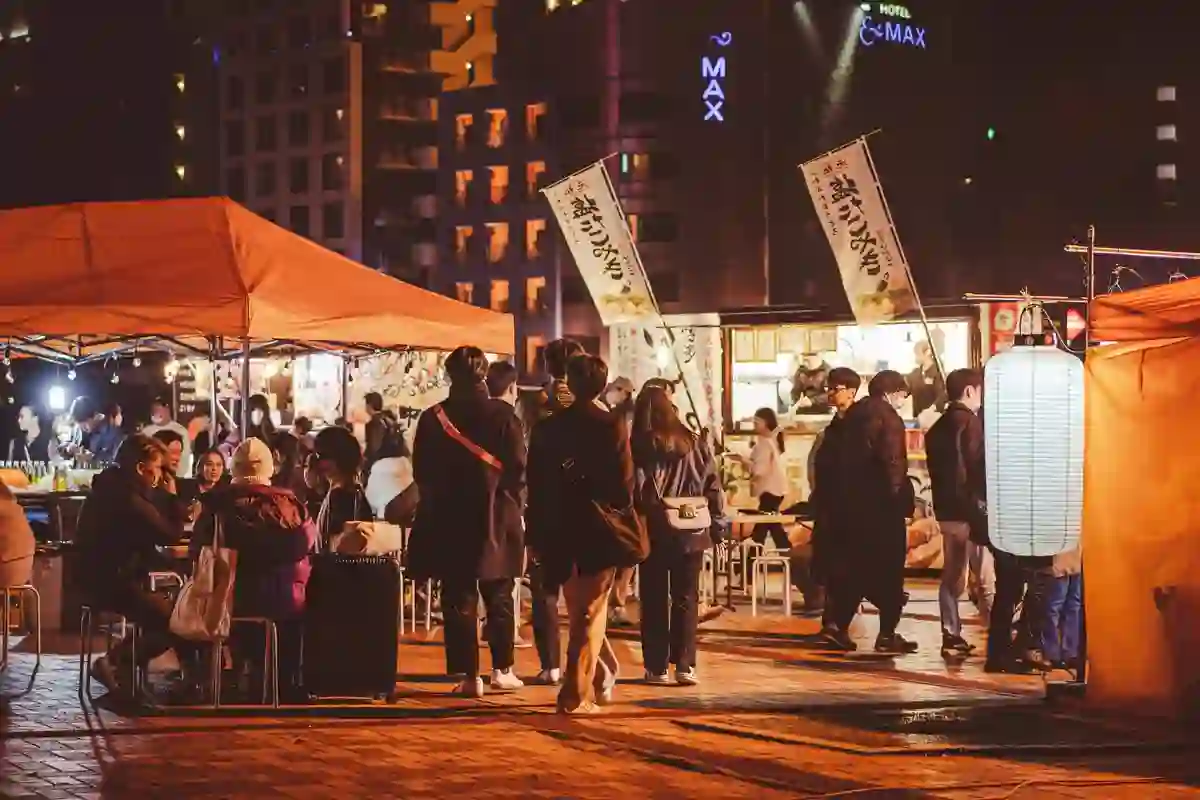
People gathered around a yatai food stall at night

#3

Fukuoka (Hakata)福岡(博多)

Fukuoka · Kyushu

Fukuoka's Hakata district is the birthplace of tonkotsu ramen, and the city's yatai — small open-air food stalls that set up along the streets and rivers at night — are one of the most distinctive dining experiences in Japan.

Best for
Ramen lovers, Nightlife dining, Budget-friendly food travel
Best season
Spring and autumn for comfortable evenings at yatai
Suggested time
2-3 days

Highlights

  • Yatai stalls along the Naka River in Tenjin and Nakasu
  • Hakata tonkotsu ramen at its source
  • Motsunabe (offal hot pot), a Fukuoka specialty

Local food to try

  • Tonkotsu ramen
  • Mentaiko (spiced cod roe)
  • Motsunabe
  • Mizutaki (chicken hot pot)

Cultural notes

Yatai seating is close and communal by design — striking up conversation with neighboring diners is part of the culture, not an interruption of it.

Travel tips

Fukuoka is a common gateway to Kyushu and is well connected by shinkansen, making it easy to combine with onsen towns elsewhere on the island.

Nearby: Beppu (onsen), Nagasaki

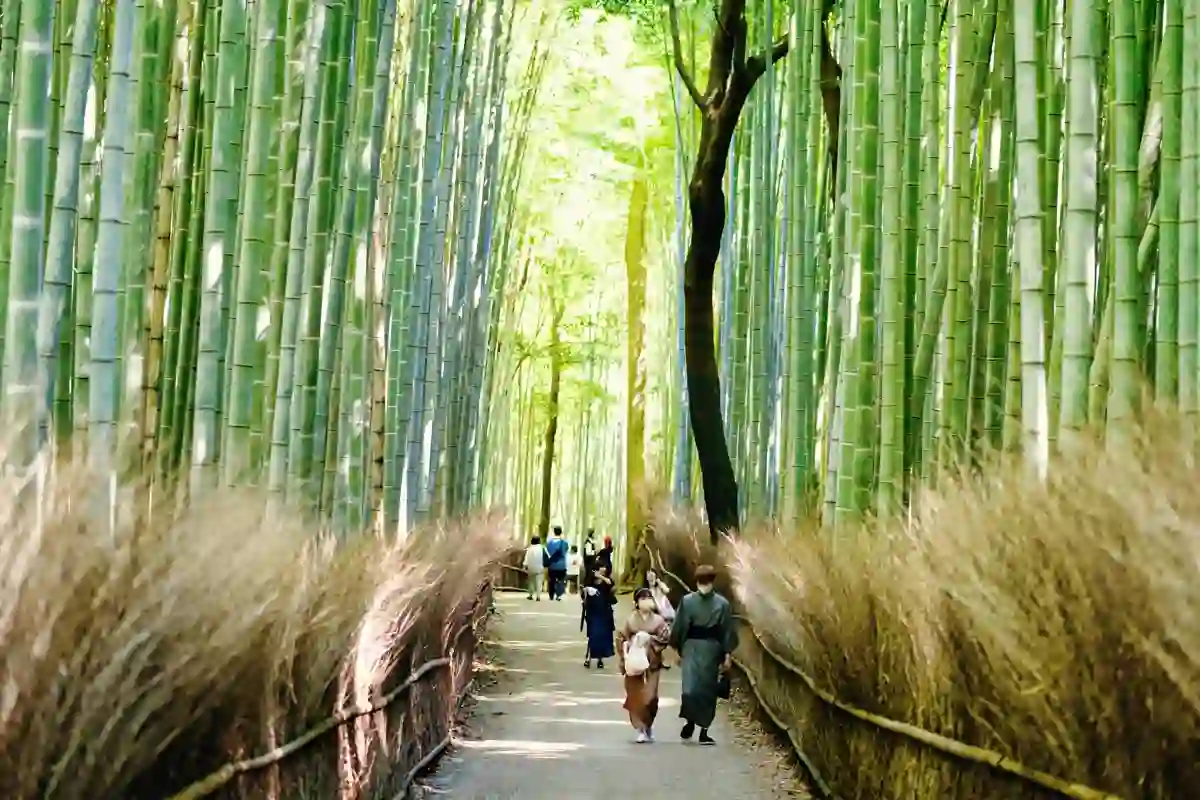
Visitors walking through the Arashiyama bamboo grove in Kyoto

#4

Kyoto京都

Kyoto · Kansai

As Japan's imperial capital for over a thousand years, Kyoto developed one of the country's most refined food traditions, centered on kaiseki multi-course dining, Buddhist vegetarian shojin ryori, and delicate obanzai home-style cooking.

Best for
Fine dining, Tea culture, Traditional cuisine
Best season
Spring and autumn
Suggested time
2-4 days

Highlights

  • Nishiki Market, a narrow covered market street of food shops
  • Matcha and traditional sweets (wagashi) culture
  • Tofu-focused meals near temple districts like Arashiyama

Local food to try

  • Kaiseki multi-course cuisine
  • Yudofu (hot tofu)
  • Matcha and wagashi
  • Obanzai home-style dishes

Cultural notes

Kyoto's food culture places a high value on seasonality — menus at traditional restaurants change frequently to reflect what's in season, sometimes month to month.

Travel tips

Kaiseki dinners at well-regarded restaurants often require advance reservations, sometimes weeks ahead — plan this before arriving if it's a priority.

Nearby: Nara, Osaka, Uji (tea country)

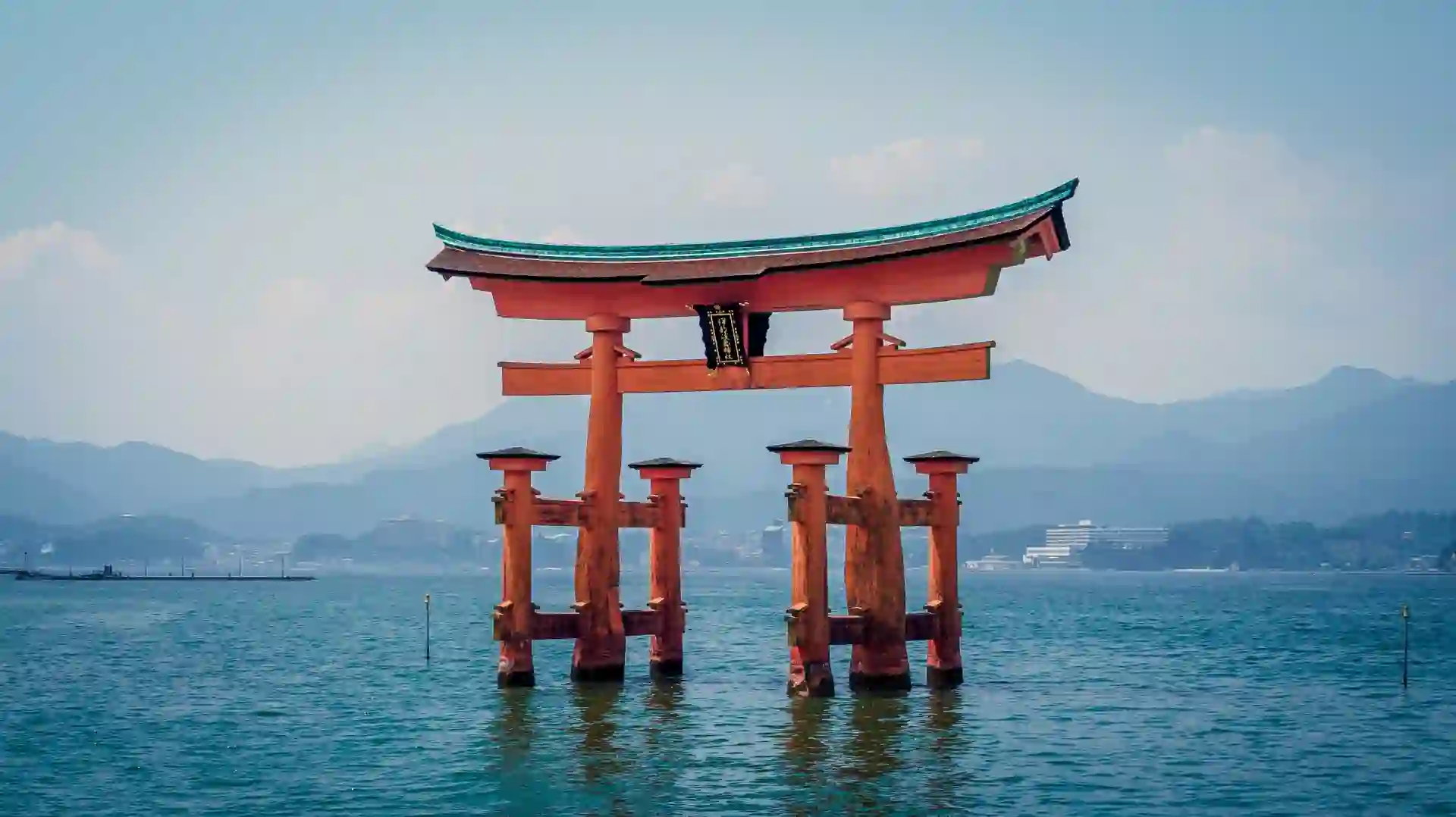
The floating torii gate of Itsukushima Shrine near Hiroshima

#5

Hiroshima広島

Hiroshima · Chugoku

Hiroshima has its own distinct style of okonomiyaki — built in layers with noodles, rather than mixed into a batter like the Osaka version — and is one of Japan's top regions for oysters.

Best for
Okonomiyaki fans, Oyster lovers, Combining with Miyajima
Best season
Winter for oysters at their peak
Suggested time
1-2 days

Highlights

  • Okonomimura, a multi-floor building packed with okonomiyaki stalls
  • Fresh and grilled oysters, a local specialty
  • Combining a food day with a visit to nearby Miyajima

Local food to try

  • Hiroshima-style okonomiyaki
  • Grilled oysters
  • Momiji manju

Cultural notes

Locals can be particular about the Hiroshima-versus-Osaka okonomiyaki distinction — it's a friendly rivalry worth knowing about before you bring it up.

Travel tips

Hiroshima pairs naturally with a Miyajima day trip (see our guide to [sacred places in Japan](/spiritual/sacred-places-japan/) for Itsukushima Shrine).

Nearby: Miyajima, Onomichi

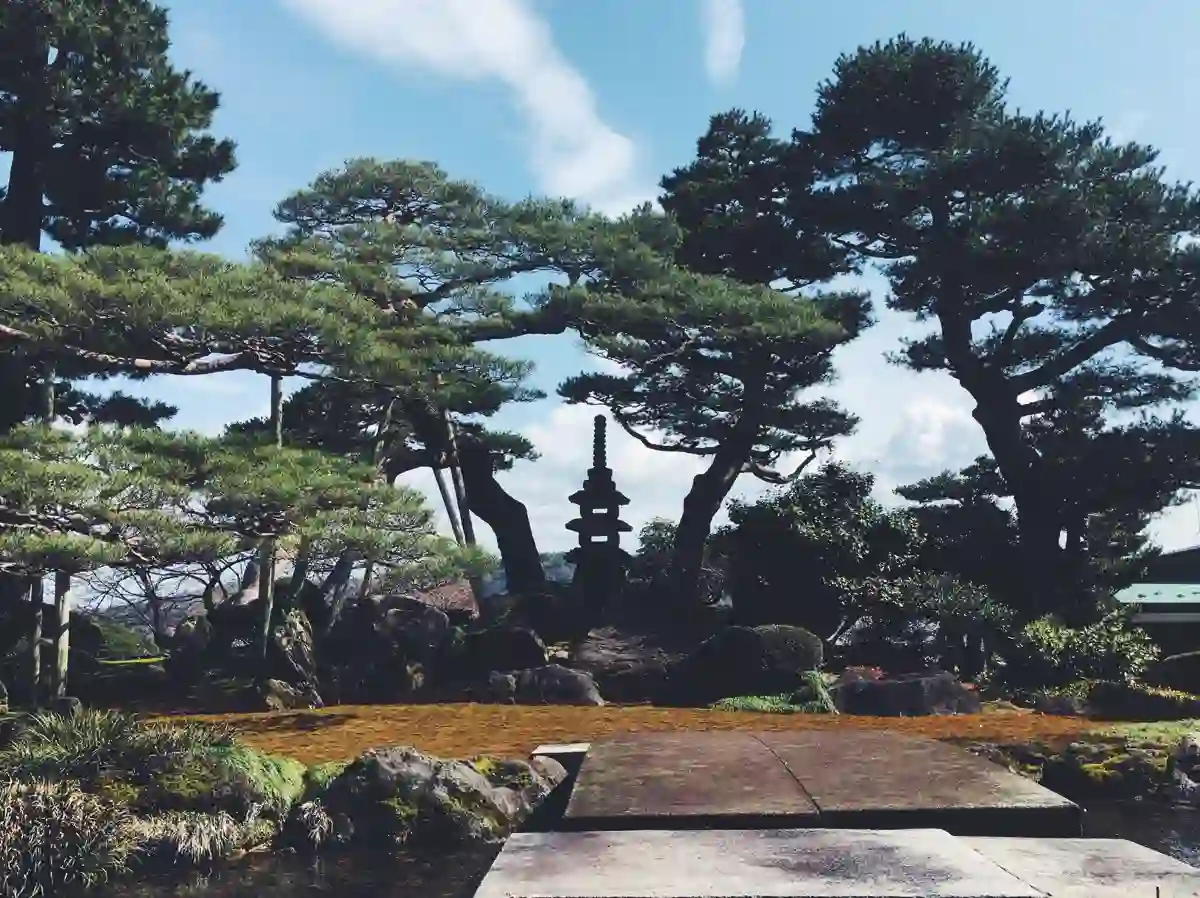
A landscaped garden with rocks and a walking path in Kanazawa

#6

Kanazawa金沢

Ishikawa · Hokuriku (Chubu)

Kanazawa's position on the Sea of Japan gives it access to exceptional fresh seafood, showcased at Omicho Market, and its history as a wealthy castle town produced a refined local cuisine known as Kaga ryori.

Best for
Seafood lovers, Combining food with traditional crafts, Quieter alternative to Kansai
Best season
Winter for peak seafood (crab season)
Suggested time
1-2 days

Highlights

  • Omicho Market's seafood stalls and rice bowls
  • Kaga-style multi-course dining
  • Gold leaf as a culinary garnish, reflecting Kanazawa's traditional gold leaf craft

Local food to try

  • Fresh sushi and kaisendon (seafood rice bowls)
  • Kaga ryori
  • Gold-leaf soft serve

Cultural notes

Kanazawa largely avoided the bombing of World War II, so much of its Edo-period townscape and food culture developed continuously rather than being rebuilt.

Travel tips

Kanazawa is reachable by shinkansen from Tokyo, making it a realistic addition even to itineraries centered on Tokyo and Kansai.

Nearby: Shirakawa-go, Noto Peninsula

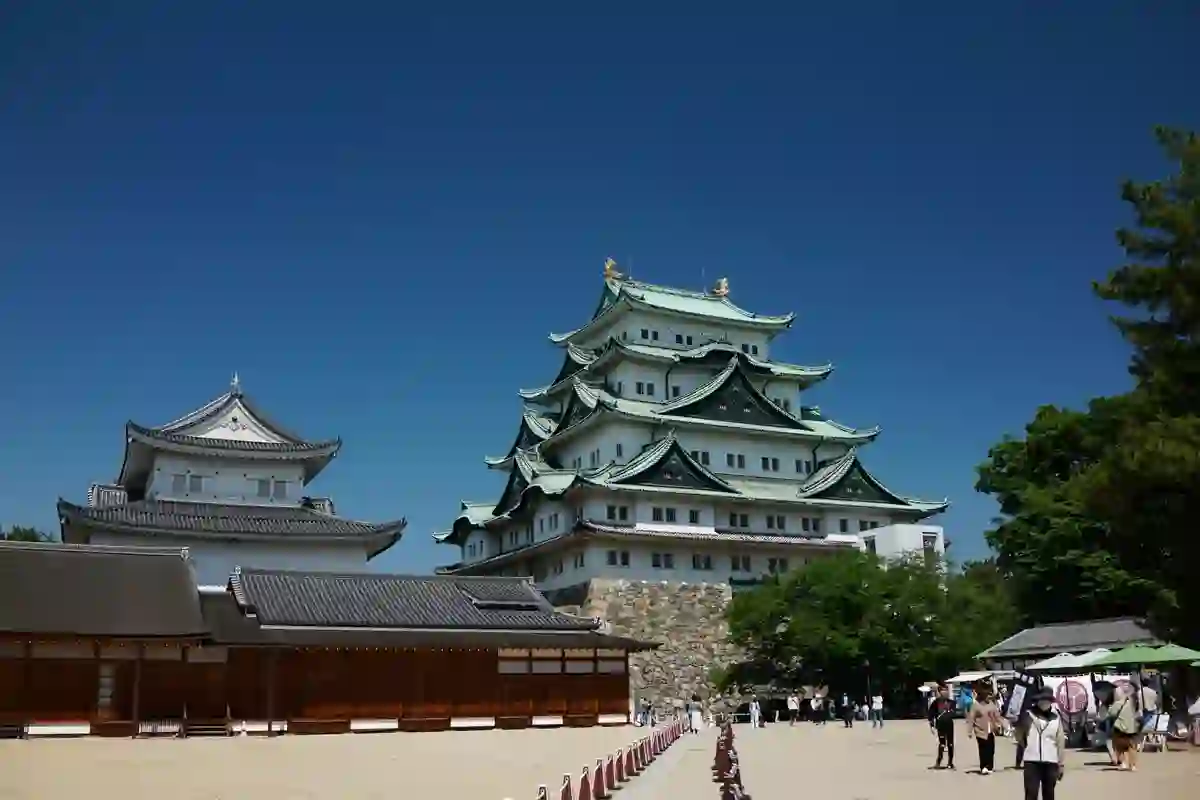
Nagoya Castle standing against a blue sky

#7

Nagoya名古屋

Aichi · Chubu (Tokai)

Nagoya has a food identity distinct enough to have its own name, "Nagoya meshi," built around rich, often miso-based flavors, plus a well-known "morning service" coffee shop culture.

Best for
Miso lovers, Coffee shop culture, Off-the-main-route food travel
Best season
Year-round
Suggested time
1-2 days

Highlights

  • "Morning service" at local coffee shops, where a drink order includes a free light breakfast
  • Hitsumabushi, a specific way of serving grilled eel over rice in three stages
  • Tebasaki, Nagoya-style fried chicken wings

Local food to try

  • Hitsumabushi (eel over rice)
  • Miso katsu
  • Tebasaki (chicken wings)
  • Kishimen (flat udon noodles)

Cultural notes

The Nagoya "morning service" custom is thought to date back to local business culture, where cafes competed for customers by adding free food to a coffee order.

Travel tips

Nagoya sits directly on the shinkansen line between Tokyo and Kyoto/Osaka, making it an easy stopover rather than requiring a dedicated detour.

Nearby: Gifu, Ise

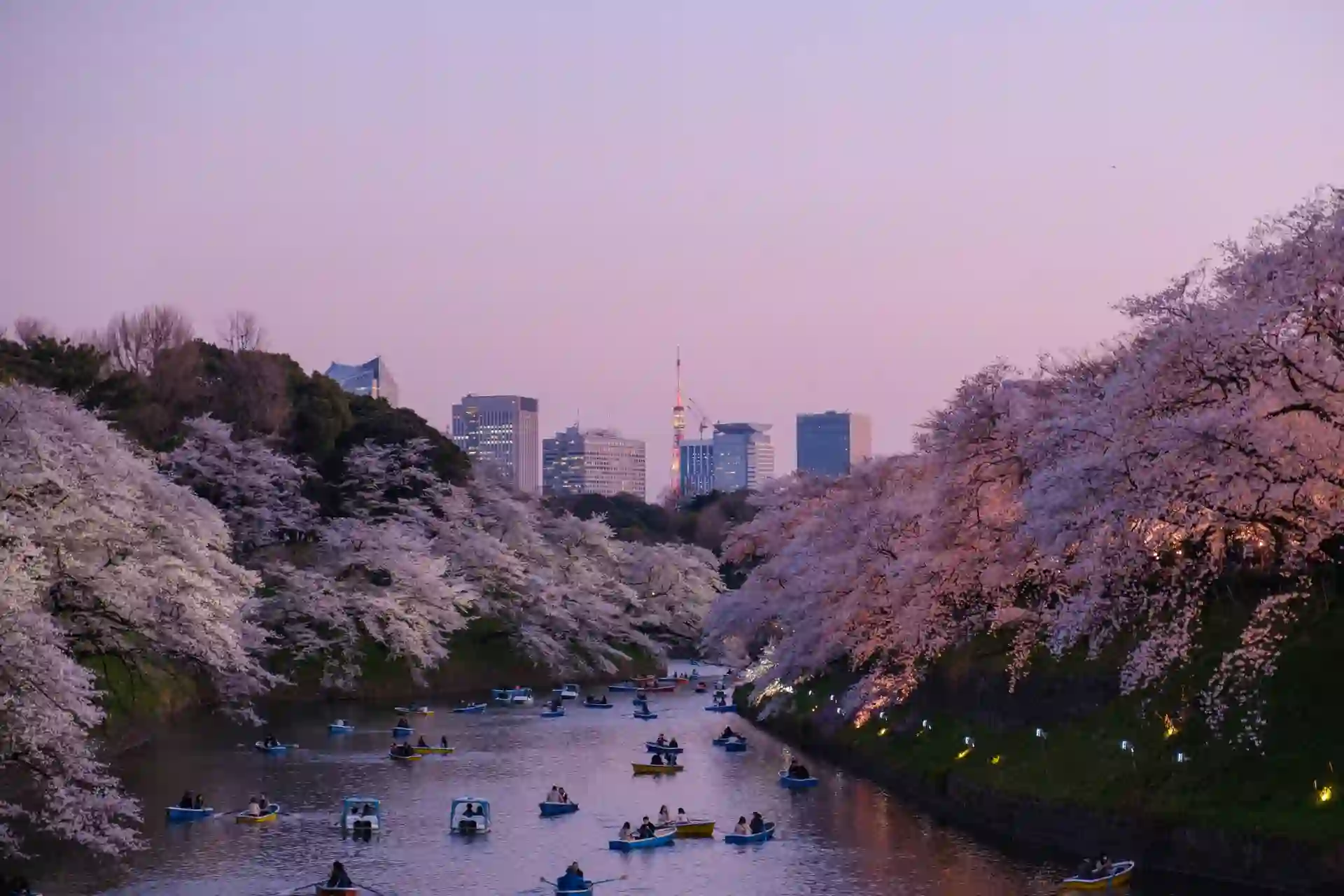
Cherry blossoms along the Chidorigafuchi moat with the Tokyo skyline

#8

Tokyo東京

Tokyo · Kanto

Tokyo is Japan's culinary capital in sheer scale and range, from Michelin-starred sushi counters to standing ramen bars and izakaya alleys. For years, Tokyo has consistently ranked as the city with the most Michelin-starred restaurants in the world.

Best for
Every kind of food traveler, Fine dining, Sushi
Best season
Year-round
Suggested time
3-5+ days

Highlights

  • Tsukiji Outer Market for street food and knives, and Toyosu Market for the wholesale seafood auction
  • Neighborhood specialization — different areas of Tokyo lean toward different cuisines and price points
  • Depachika (department store basement food halls) for high-quality prepared food

Local food to try

  • Sushi and sashimi
  • Tempura
  • Monjayaki
  • Ramen (in countless regional styles)

Cultural notes

Because Tokyo draws chefs and cuisine from across Japan, it's possible to sample regional specialties from Hokkaido to Okinawa without leaving the city — useful if your itinerary is tight.

Travel tips

Reservations matter more in Tokyo than almost anywhere else in Japan for well-known restaurants, especially sushi counters — plan ahead for any specific restaurant you don't want to miss.

Nearby: Yokohama, Kamakura

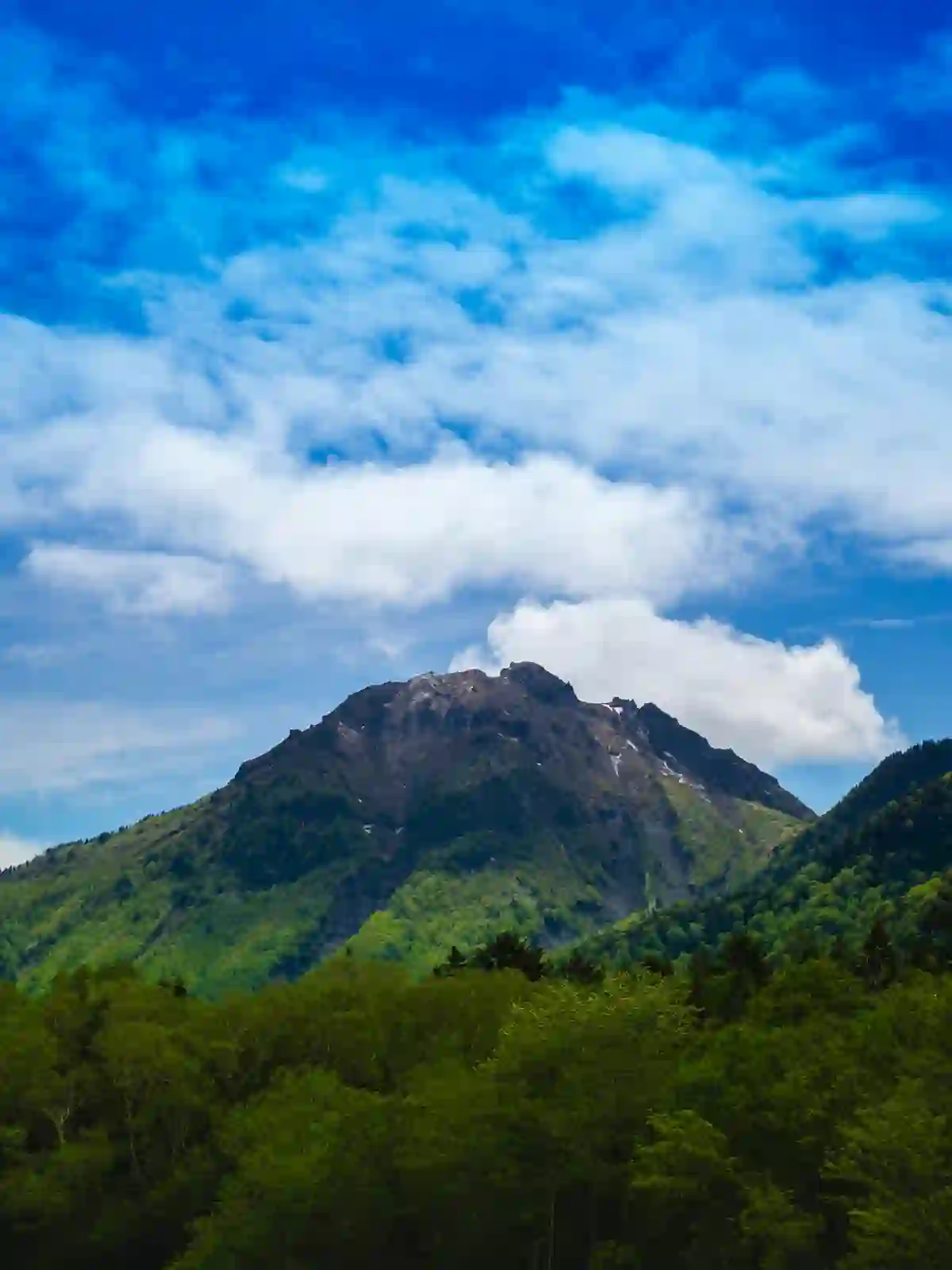
A mountain peak above a green forest under blue sky in the Japan Alps

#9

Yamanashi & Nagano山梨・長野

Yamanashi / Nagano · Chubu

This mountainous region in the shadow of Mt. Fuji and the Japan Alps is home to Japan's leading wine region (Yamanashi, centered on the Koshu grape) and Nagano's soba noodle tradition, made with locally grown buckwheat.

Best for
Wine lovers, Soba lovers, Mountain scenery
Best season
Autumn (harvest season and foliage)
Suggested time
2-3 days

Highlights

  • Wineries in the Katsunuma area of Yamanashi
  • Fresh soba in Nagano's Shinshu region
  • Hoto, a thick hand-cut noodle stew from the Yamanashi mountains

Local food to try

  • Koshu wine
  • Shinshu soba
  • Hoto noodle stew
  • Oyaki (stuffed dumplings)

Cultural notes

Japanese wine is still relatively unknown outside Japan compared to French or Californian wine, but the industry has been developing in Yamanashi for well over a century.

Travel tips

This region works well as a scenic, food-focused detour between Tokyo and the Kansai region, particularly for travelers interested in mountain scenery over cities.

Nearby: Mt. Fuji, Matsumoto

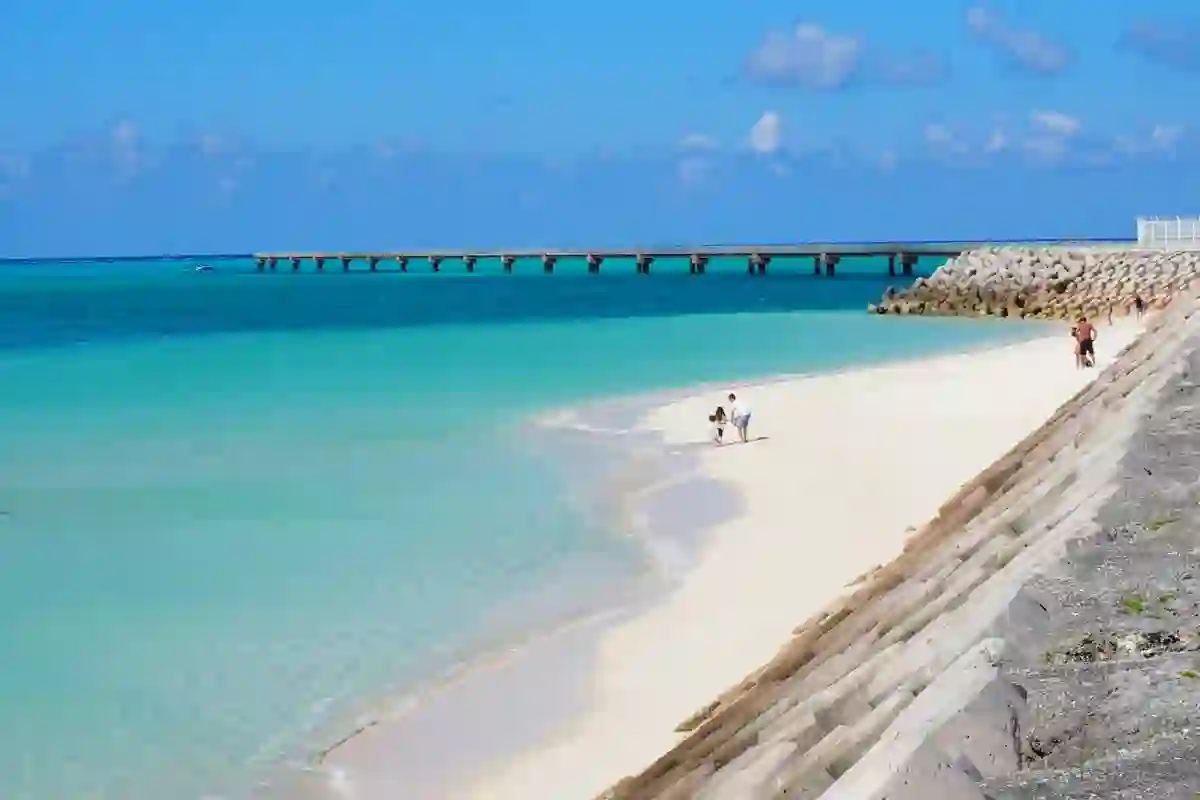
A person walking along a beach in Okinawa

#10

Okinawa沖縄

Okinawa · Okinawa

Okinawa's cuisine developed separately from mainland Japan as the food culture of the former Ryukyu Kingdom, shaped by trade with China and Southeast Asia and a subtropical climate. Expect a noticeably different flavor profile from anywhere else on this list.

Best for
Adventurous eaters, Beach-and-food combination trips, A break from mainland Japanese cuisine
Best season
Spring and early summer, before peak typhoon season
Suggested time
3-4 days

Highlights

  • Goya champuru, a stir-fry built around bitter melon
  • Okinawa soba, a wheat noodle dish distinct from mainland soba (which is buckwheat)
  • Awamori, Okinawa's distilled rice spirit

Local food to try

  • Goya champuru
  • Okinawa soba
  • Rafute (braised pork belly)
  • Awamori

Cultural notes

Okinawa was an independent kingdom until the late 19th century, and its food culture is still often discussed as distinct from "mainland" Japanese cuisine rather than a regional variation of it.

Travel tips

Okinawa is a flight, not a train ride, from mainland Japan — factor this into a multi-region itinerary rather than treating it as a quick add-on.

Nearby: Ishigaki, Miyako Islands

Table of Contents

Who This Trip Is Best For

This is a strong itinerary theme for travelers who plan trips around meals as much as sights — people who’d rather build a day around a specific dish than a specific monument. It also rewards travelers willing to venture beyond Tokyo and Kyoto, since several of the most distinctive food regions (Hokkaido, Fukuoka, Okinawa) sit outside the standard first-time route.

If you have significant dietary restrictions, some regions on this list (Kyoto’s shojin ryori tradition especially) will suit you better than others — see the FAQ below.

Best Time to Visit

Food seasonality is a real factor in Japan, more so than in many countries:

  • Winter brings peak seafood in Hokkaido and Kanazawa, including crab season.
  • Autumn is harvest season in Yamanashi and Nagano, and a good time for mushroom and chestnut dishes nationwide.
  • Summer favors Okinawa’s warm-climate cuisine, though it’s also typhoon season there.
  • Kyoto’s kaiseki menus shift with the seasons more visibly than almost any other food tradition in Japan.

Our guide to Japan through the four seasons covers the broader seasonal picture beyond food.

Suggested Route

A realistic food-focused itinerary for a first or second trip:

  1. Kansai base (4-5 days): Osaka for street food, Kyoto for refined and traditional cuisine, with Nara as a side trip.
  2. Tokyo (3-4 days): The widest range in one city, useful for sampling regional specialties you might not otherwise reach.
  3. One further region (2-3 days): Fukuoka for ramen and yatai, Hiroshima for okonomiyaki and oysters, or Kanazawa for seafood — pick based on what’s on your must-eat list.

Hokkaido and Okinawa are worth dedicating a separate, focused trip to rather than squeezing into a first-time itinerary, given the distances involved.

Practical Tips

  • Many of the best local spots are small, with limited seating — arriving right at opening or slightly before typical meal times can help avoid a wait.
  • Cash is still useful in smaller, older establishments, even as card and mobile payment acceptance has grown.
  • Department store basement food halls (depachika) are a reliable, high-quality option in any major city when you don’t have a specific reservation.

Restaurant recommendations, prices, and hours change frequently. Treat any specific restaurant name you find (including in blog posts or older guides) as a starting point to verify, not a guarantee it’s still open or unchanged.

Cultural Etiquette

  • It’s polite to say “itadakimasu” before eating and “gochisosama” after finishing, even as a visitor attempting a little Japanese.
  • Pouring your own drink is considered less polite than pouring for others at the table and letting them pour for you.
  • Tipping is not customary in Japan and can cause confusion — good service is already the standard, not something to pay extra for.
  • Slurping noodles, including ramen and soba, is normal and not considered rude.

Where to Stay

For a food-focused Kansai trip, staying in central Osaka or Kyoto puts you within a short train ride of both cities plus Nara. In Tokyo, staying near a specific neighborhood that matches your food interests (for example, Tsukiji/Ginza for seafood and sushi, or Shibuya/Shinjuku for izakaya culture) can be more useful than picking a hotel based on sightseeing alone.

Things to Book

  • High-demand restaurant reservations, especially sushi counters in Tokyo and well-known kaiseki restaurants in Kyoto, which can require booking weeks in advance.
  • Food tours or market tours, which can be a good way to get context and recommendations quickly in an unfamiliar city.
  • Regional transportation, if your food route spans multiple regions like Kansai plus Hiroshima or Kanazawa.

Frequently Asked Questions

Do I need to speak Japanese to eat well in these regions?

No, but it helps in smaller, local spots outside major cities. Picture menus, plastic food displays, and translation apps cover most situations, and pointing at what looks good works better than you'd expect.

Is Japanese food outside Tokyo and Osaka expensive?

It varies widely by format and season, so we won't quote specific prices here since they change over time — but as a general pattern, street food, ramen, and market stalls tend to be very accessible, while kaiseki dining and high-end sushi counters sit at the other end of the range.

Can I visit all 10 regions in one trip?

Realistically, no — Hokkaido and Okinawa alone are at opposite ends of the country. Most food-focused first trips combine 3-4 of these regions, often anchored around Kansai (Osaka, Kyoto) and Tokyo, with one further region added if time allows.

What if I have dietary restrictions?

Vegetarian and vegan travelers should look specifically for shojin ryori (Buddhist temple cuisine, common around Kyoto and Koyasan) as a reliable option, since traditional Japanese cooking often uses fish-based dashi stock even in apparently vegetable dishes. Research and confirm options for your specific restriction before relying on any single restaurant.

Written by a native of Japan

Know Before You Go

A few things a local would want you to know before your trip — manners, culture, and a few useful phrases, plus an honest take on what's genuinely great (and not so great) about traveling here.

Read the Full Guide

Comments

Comments are reviewed before they appear — yours won't show up immediately, but we do read every one.

Loading comments…