Seasons
Japan Through the Four Seasons: What to Expect and When to Go
Japan changes dramatically across spring, summer, autumn and winter. Here's what defines each season, how they vary by region, and how to decide when to plan your trip.
Few countries change as visibly with the seasons as Japan. Spring brings weeks of cherry blossoms moving north across the country; summer brings festivals, fireworks, and heat; autumn turns entire mountainsides red and gold; winter brings snow country in the north and mild, clear days in the south.
There's no single "best" season to visit Japan — it depends on what you want from the trip. This guide walks through what each season actually looks and feels like, so you can match your trip to the Japan you're picturing.
Table of Contents
Spring in Japan (March-May)
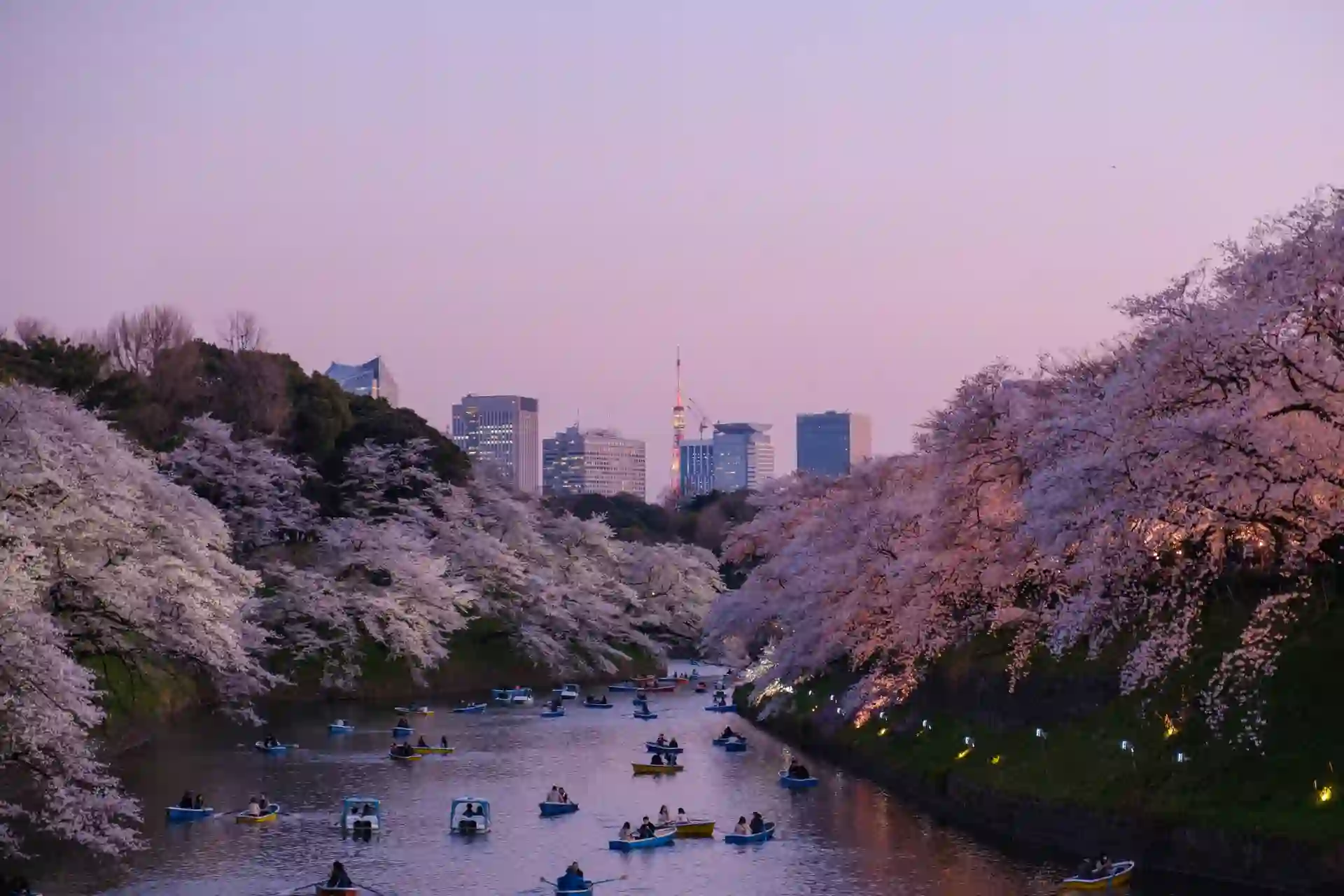
Spring is when Japan is most associated with a single image: cherry blossoms (sakura). The bloom starts in the south and moves north over several weeks, typically reaching central Japan (Tokyo, Kyoto) sometime between late March and early April, and continuing on to Hokkaido by early-to-mid May. Exact dates shift every year with the weather, so this is a season where checking a current forecast closer to your trip matters more than in almost any other case.
Beyond cherry blossoms, spring brings comfortable temperatures for walking-heavy sightseeing, and it’s a natural fit for many of the destinations in our guide to sacred places in Japan, several of which are also known for spring scenery.
Late April into early May includes Golden Week, a cluster of national holidays when domestic travel demand rises sharply — worth knowing about when planning transportation and accommodation.
Summer in Japan (June-August)
Summer opens with tsuyu, a rainy season lasting several weeks in most of the country (Hokkaido is a notable exception, largely skipping it), followed by hot, humid weather through August. This is also festival season — many of Japan’s largest matsuri (festivals) and fireworks displays (hanabi) take place in midsummer.
Heat and humidity make extensive outdoor walking more demanding, particularly for mountain hikes like the upper trail at Fushimi Inari or the Koyasan area. Hokkaido, with its noticeably cooler summer climate, is a popular seasonal escape for exactly this reason. This is also the most reliable season to climb Mt. Fuji, whose official climbing season is limited to a short summer window each year.
Autumn in Japan (September-November)
Autumn brings koyo, the turning of leaves to red, orange, and gold, which — like cherry blossoms — moves geographically, generally starting in Hokkaido and mountain areas in October and reaching Kyoto, Nikko, and other central/southern destinations through November, sometimes lingering into early December in sheltered spots.
Autumn is widely considered one of the two most comfortable seasons for travel, alongside spring, with mild temperatures and typically clearer skies than the summer rainy season. Many of the destinations in our food regions guide are also at their best in autumn, since it’s harvest season for much of Japan’s produce.
Winter in Japan (December-February)
Winter splits Japan roughly in two. Pacific-side cities including Tokyo, Kyoto, and Osaka tend to be cold but dry, with clear skies and relatively little snow. The Sea of Japan side and mountain regions — Hokkaido, the Japan Alps, and the Tohoku region — see heavy snowfall, powering both a major ski and snowboard season and winter illuminations and snow festivals.
Late December into early January includes the New Year holiday period, when many businesses close for several days and domestic travel and family visits peak — a factor worth planning around if your trip overlaps with it.
Which Season Is Right for You
- Choose spring if cherry blossoms are a priority, or you want comfortable walking weather and don’t mind crowds during peak bloom weeks.
- Choose summer if you’re drawn to festivals and fireworks, plan to spend time in cooler Hokkaido, or want to climb Mt. Fuji.
- Choose autumn if you want comfortable weather, dramatic foliage, and a slightly different crowd pattern than spring.
- Choose winter if snow country, hot springs in the cold (see our guide to onsen towns), or winter sports are part of the appeal — or if you want milder crowds in the major cities.
How to Plan Around Japan’s Seasons
- Check current-year forecasts for sakura and koyo. Both shift by up to a few weeks year to year, so don’t rely on fixed calendar dates from a previous trip or an older article.
- Book early for peak weeks. Cherry blossom season, Golden Week, and the New Year holiday period all see accommodation and transportation fill up well in advance.
- Remember Japan’s north-south length. Okinawa’s climate and Hokkaido’s climate can differ by 20+ degrees at the same time of year — “what to pack for Japan” depends heavily on which regions are on your route.
Seasonal timing (bloom dates, foliage peaks, festival schedules) shifts every year. Treat the ranges in this guide as general patterns, and check a current seasonal forecast or official event calendar as your trip approaches.
Regional Variation
Because Japan spans a long north-south distance, the same season looks different depending on where you are:
- Hokkaido has a short, mild summer, minimal rainy season, early autumn foliage, and long, snowy winters.
- Central Japan (Tokyo, Kyoto, Osaka) has the four-season pattern most associated with mainland Japan, including a distinct rainy season in early summer.
- Okinawa is subtropical, with a much milder winter, an earlier and longer typhoon-risk window, and little in the way of autumn foliage or snow.
This is worth factoring in if your itinerary spans multiple regions in one trip — see our regional food guide for how this affects food seasonality too.
Frequently Asked Questions
When do cherry blossoms bloom in Japan?
Bloom timing shifts every year and moves geographically from south to north over several weeks, typically starting in southern Japan in March and reaching Hokkaido by early-to-mid May. Because exact dates shift annually, check a current-year cherry blossom forecast a few weeks before finalizing travel dates rather than relying on a fixed calendar date.
Is Japan's summer too hot to visit?
Summer in most of Japan is hot and humid, and some travelers find it uncomfortable for extensive walking or hiking. It's not a reason to avoid Japan entirely — Hokkaido stays noticeably cooler, and summer is also when many of Japan's largest festivals and fireworks displays take place.
When is autumn foliage season in Japan?
Like cherry blossoms, autumn foliage moves geographically, generally starting in Hokkaido and northern Japan in October and reaching Kyoto and other parts of central/southern Japan in November, sometimes into early December. Exact timing varies by year and elevation.
Is winter a bad time to visit Japan?
Not at all — it depends on your itinerary. Cities like Tokyo, Kyoto, and Osaka are generally mild and dry in winter with clear skies, while mountain and northern areas get significant snow, which is the draw for winter sports and snow festivals.
What's the least crowded season to visit?
Late autumn (after peak foliage) and parts of winter (outside the New Year holiday period) tend to see fewer international visitors than the cherry blossom weeks in spring or the Golden Week and summer holiday periods, though this shifts year to year.
Written by a native of Japan
Know Before You Go
A few things a local would want you to know before your trip — manners, culture, and a few useful phrases, plus an honest take on what's genuinely great (and not so great) about traveling here.
- Everyday etiquette that makes a great impression
- Understanding Japanese culture and social norms
- Useful Japanese phrases for travelers
- Honest pros and cons, from a local's perspective
Related Guides
Tradition
What to Know Before Visiting Japan: A Local's Honest Guide to Culture & Etiquette
Written from a native Japanese perspective — the manners, cultural context, and everyday phrases that help visitors travel with confidence and leave a great impression, plus an honest look at what's genuinely great (and not so great) about traveling here.
Spiritual
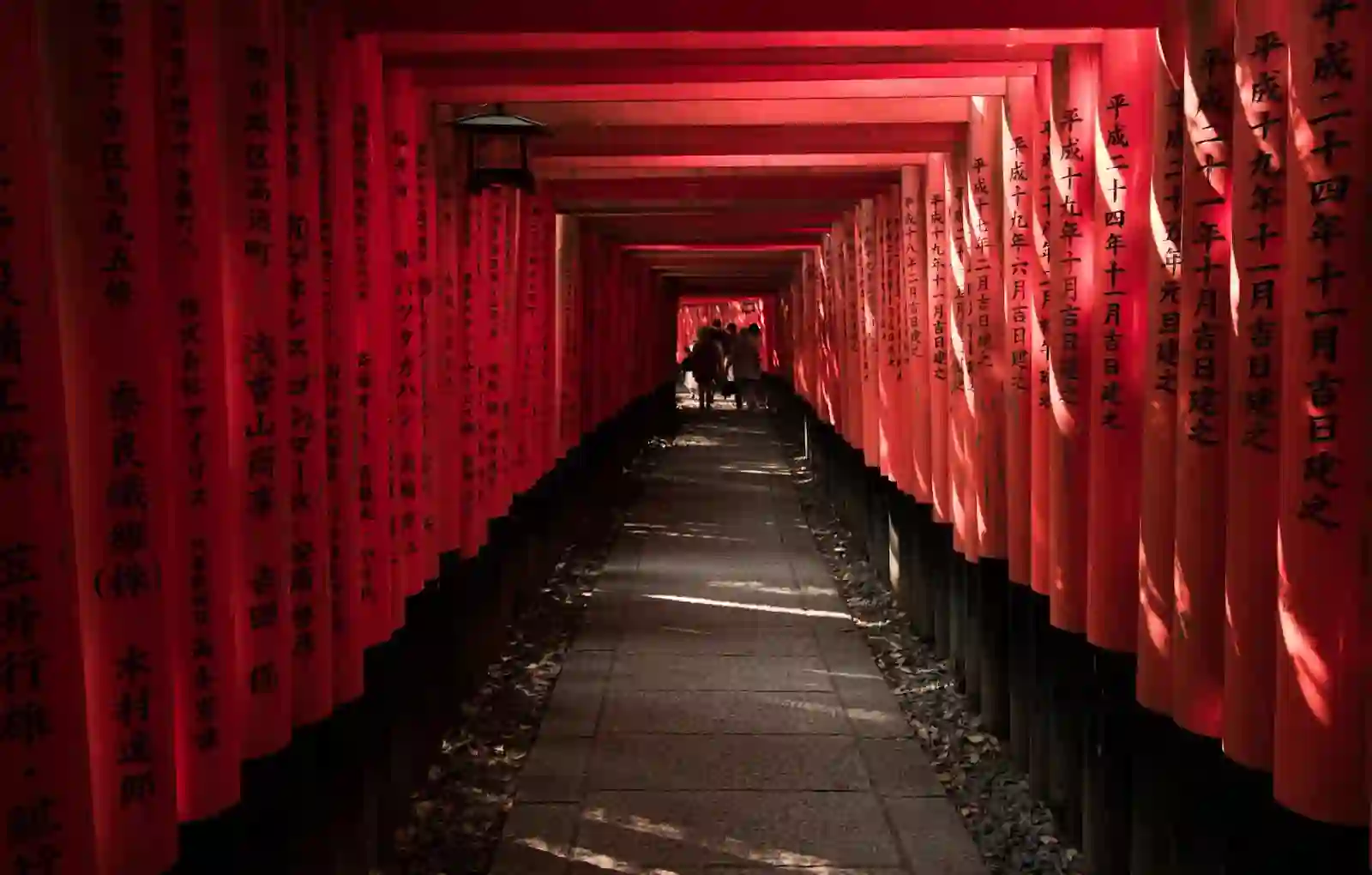
10 Sacred Places in Japan You Should Experience at Least Once
From a mountain of vermillion gates to a floating shrine and a temple town built around one of Buddhism's most important sites, these are 10 of the most sacred places in Japan.
Food
10 Japanese Regions Every Food Lover Should Visit
Japan's food culture changes dramatically by region. These 10 regions — from Hokkaido's seafood to Okinawa's subtropical cuisine — are where to go if you're planning a trip around what you eat.
Comments
Comments are reviewed before they appear — yours won't show up immediately, but we do read every one.
Loading comments…