10 Sacred Places in Japan You Should Experience at Least Once
From a mountain of vermillion gates to a floating shrine and a temple town built around one of Buddhism's most important sites, these are 10 of the most sacred places in Japan.
Published September 5, 2026· 3 min read
Japan has well over 100,000 shrines and temples, ranging from tiny neighborhood altars to mountain complexes that have drawn pilgrims for over a thousand years. You can't see all of them — but a handful have shaped the country's spiritual identity so deeply that they're worth planning a trip around.
This isn't a "top shrines near Tokyo" list. It's a spread across the country, from Kyoto's temple district to a shrine that floats at high tide and a cemetery deep in a mountain forest. Use it to pick two or three that fit your route, not to rush through all ten.
Spiritual travelers, Those interested in Shinto tradition, Off-the-beaten-path itineraries
Year-round
2-3 hours
Where These Are
Kansai — Kyoto, Mie, Nara, Wakayama
Chugoku — Hiroshima, Shimane
Kanto — Tokyo, Tochigi
#1
Fushimi Inari Taisha伏見稲荷大社
Kyoto · Kansai
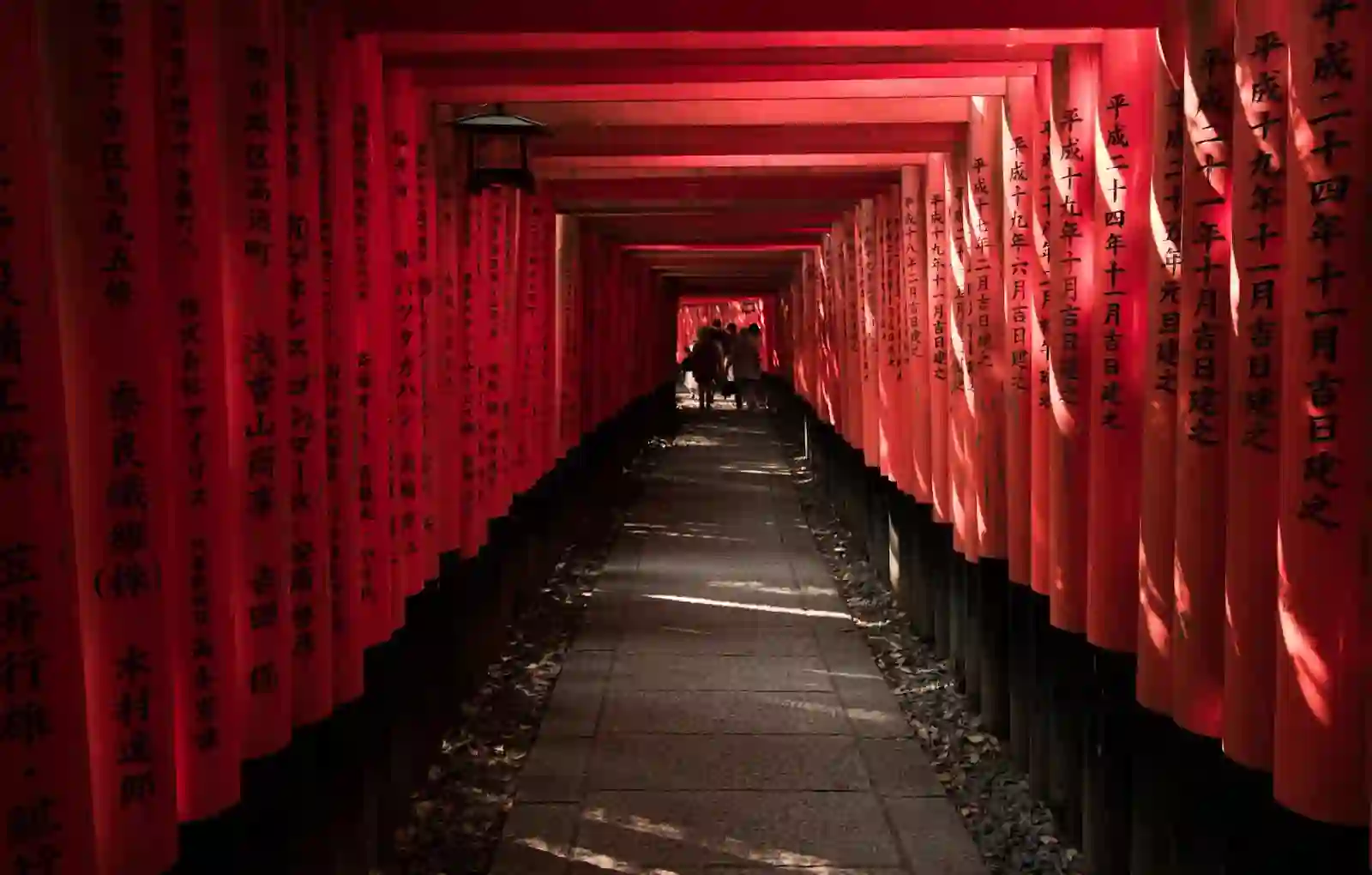
The head shrine for Inari, the Shinto deity of rice and prosperity, is famous for the thousands of vermillion torii gates that form tunnels up the wooded slopes of Mt. Inari. It's one of the most photographed sites in Japan, but it's also a working shrine that people visit for genuine prayer.
Best for
First-time visitors, Photography, Early risers
Best season
Year-round
Suggested time
2-3 hours for the lower gates, half a day for the full mountain loop
Highlights
The Senbon Torii ("thousands of gates") tunnel near the shrine entrance
Smaller fox statues and sub-shrines along the mountain trail
Views over Kyoto from the upper trail
Local food to try
Kitsune udon (a dish associated with Inari's fox messengers)
Inari-zushi
Cultural notes
The fox statues represent Inari's messengers, not the deity itself. Many gates are donated by businesses and individuals — you'll see the donor's name and date on the back of each one.
Travel tips
The shrine grounds are open 24 hours and free to enter. It's a short walk from JR Inariekimae Station on the JR Nara Line. Arriving early morning or after sunset (the lower paths are lit) avoids the largest tour groups.
Nearby: Kiyomizu-dera, Central Kyoto
#2
Kiyomizu-dera清水寺
Kyoto · Kansai
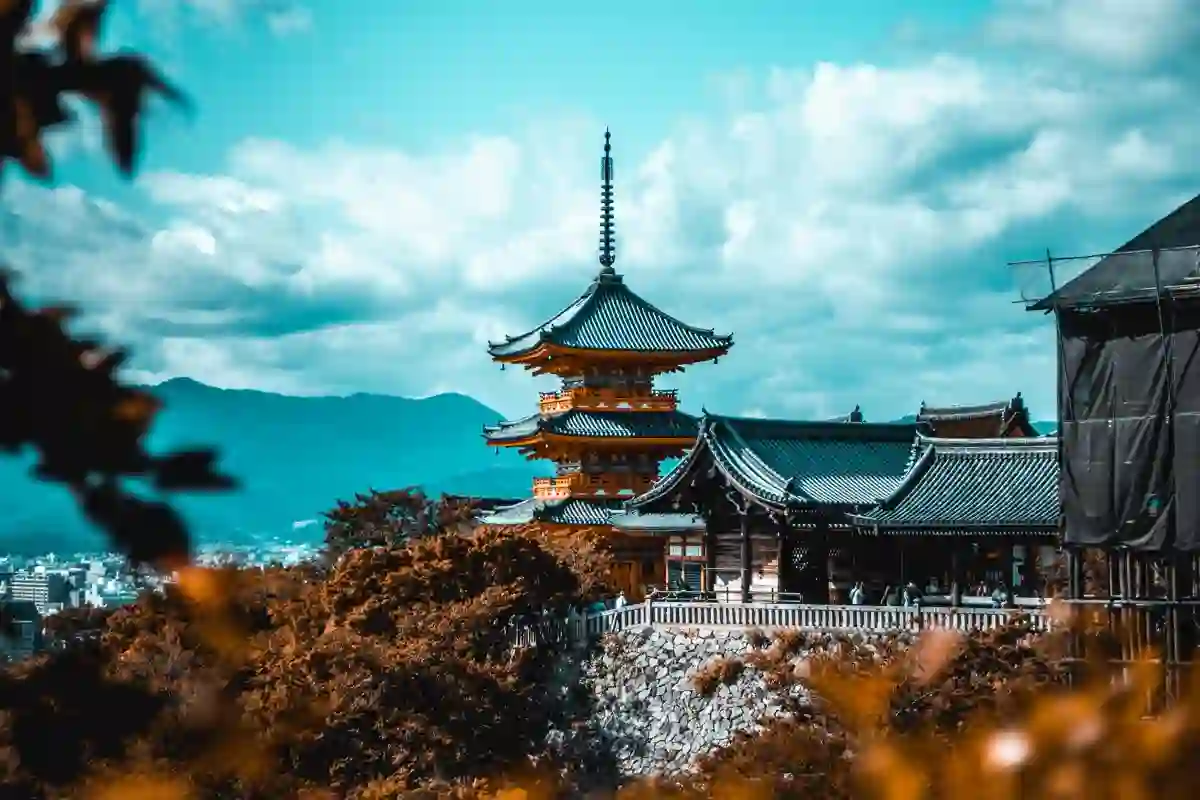
A wooden temple built into a hillside, best known for its main hall's stage, constructed without a single nail, which juts out over the slope and offers sweeping views of Kyoto. It's a UNESCO World Heritage Site and one of the city's most enduring landmarks.
The main hall's stage and its view over the wooded valley
Otowa Waterfall, where visitors drink from one of three streams said to grant different blessings
The approach up Kiyomizu-zaka, a slope lined with traditional shops
Local food to try
Yatsuhashi (cinnamon-flavored mochi sweets)
Matcha soft serve
Cultural notes
Choosing which stream to drink from at Otowa Waterfall is a small ritual — tradition holds that drinking from all three is considered greedy.
Travel tips
The approach is uphill and can get crowded, especially on weekends and during peak bloom or foliage weeks. Comfortable shoes are worth it.
Nearby: Fushimi Inari Taisha, Kinkaku-ji
#3
Itsukushima Shrine (Miyajima)厳島神社
Hiroshima · Chugoku
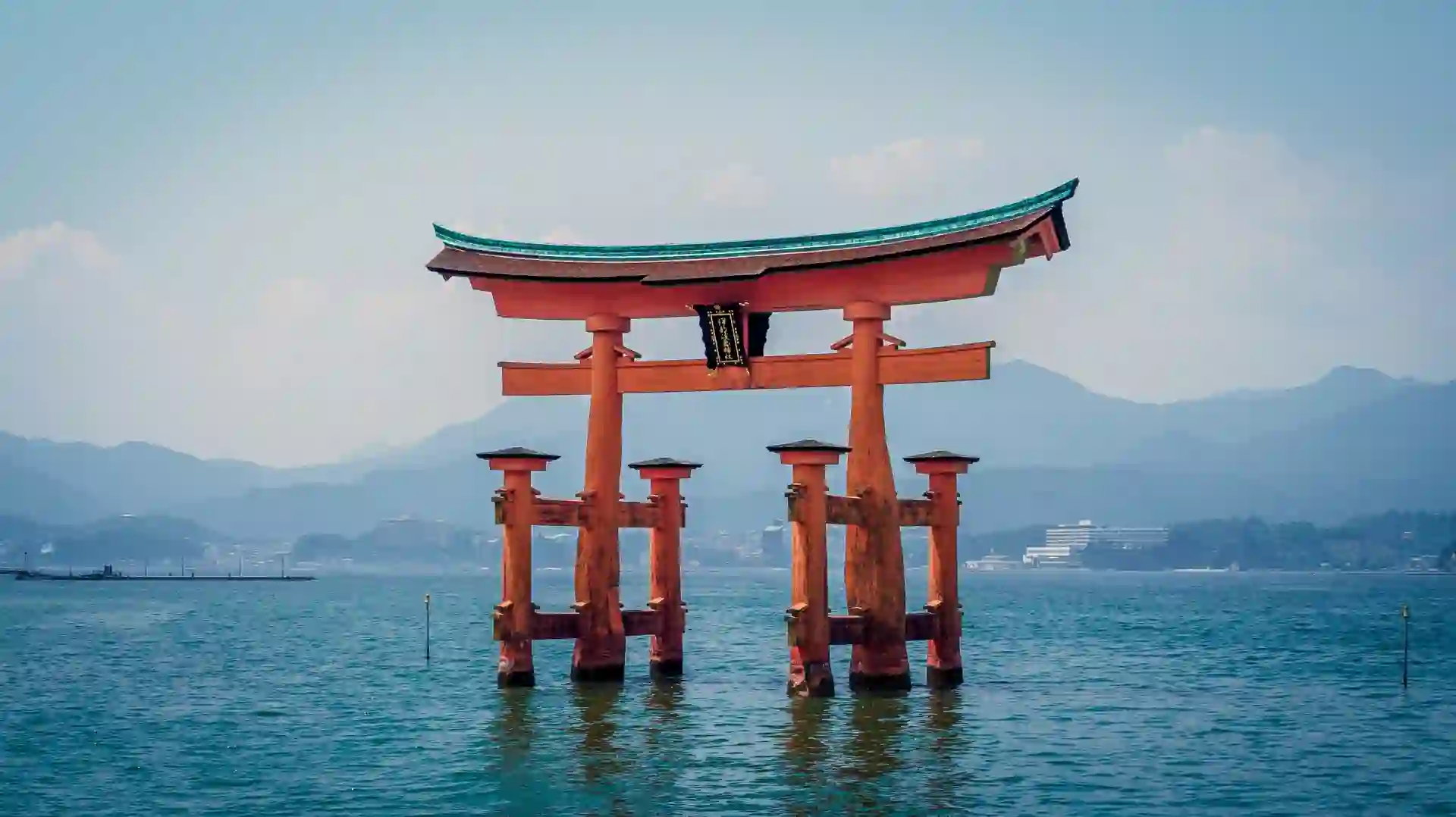
Built over the water on Miyajima island, Itsukushima Shrine is famous for its vermillion torii gate that appears to float at high tide. The shrine and its setting — framed by forested mountains and roaming sacred deer — have been considered sacred for over a thousand years.
Best for
Scenic travel, Island day trips, Photography
Best season
Year-round; check tide times before your visit
Suggested time
Half a day, including the ferry
Highlights
The floating torii gate at high tide
Walking out to the gate at low tide, when the sea floor is exposed
Mt. Misen, reachable by ropeway, for views over the Seto Inland Sea
Local food to try
Grilled oysters
Momiji manju (maple-leaf-shaped cakes)
Cultural notes
Miyajima has traditionally been considered so sacred that, historically, births and deaths were not permitted on the island. Deer roam freely around the town — they're used to people, but shouldn't be fed.
Travel tips
The island is reached by a short ferry from Miyajimaguchi. Tide timing changes the experience significantly, so check a tide chart before deciding when to go.
Nearby: Hiroshima Peace Memorial Park
Ise Jingu
#4
Ise Jingu伊勢神宮
Mie · Kansai
Considered the most sacred site in Shinto, Ise Jingu is dedicated to the sun goddess Amaterasu and has been a pilgrimage destination for centuries. Its inner and outer shrines sit within ancient forest, and the complex is traditionally rebuilt every 20 years in a ritual called Shikinen Sengu.
Best for
Spiritual travelers, History, Nature
Best season
Spring and autumn
Suggested time
Half a day to see both the outer and inner shrines
Highlights
The approach to the Inner Shrine (Naiku) across the Uji Bridge
Ancient cedar forest surrounding the shrine buildings
Okage Yokocho, a reconstructed Edo-period street near the Inner Shrine
Local food to try
Ise udon
Akafuku mochi
Cultural notes
Photography is restricted close to the innermost shrine buildings — signage marks where cameras should be put away.
Travel tips
The Outer Shrine (Geku) and Inner Shrine (Naiku) are a bus ride apart; most visitors see both in one visit. This is a full pilgrimage site, not just a photo stop — plan unhurried time to walk the forest paths.
Nearby: Toba (pearl diving culture), Kumano Kodo pilgrimage routes
#5
Meiji Jingu明治神宮
Tokyo · Kanto
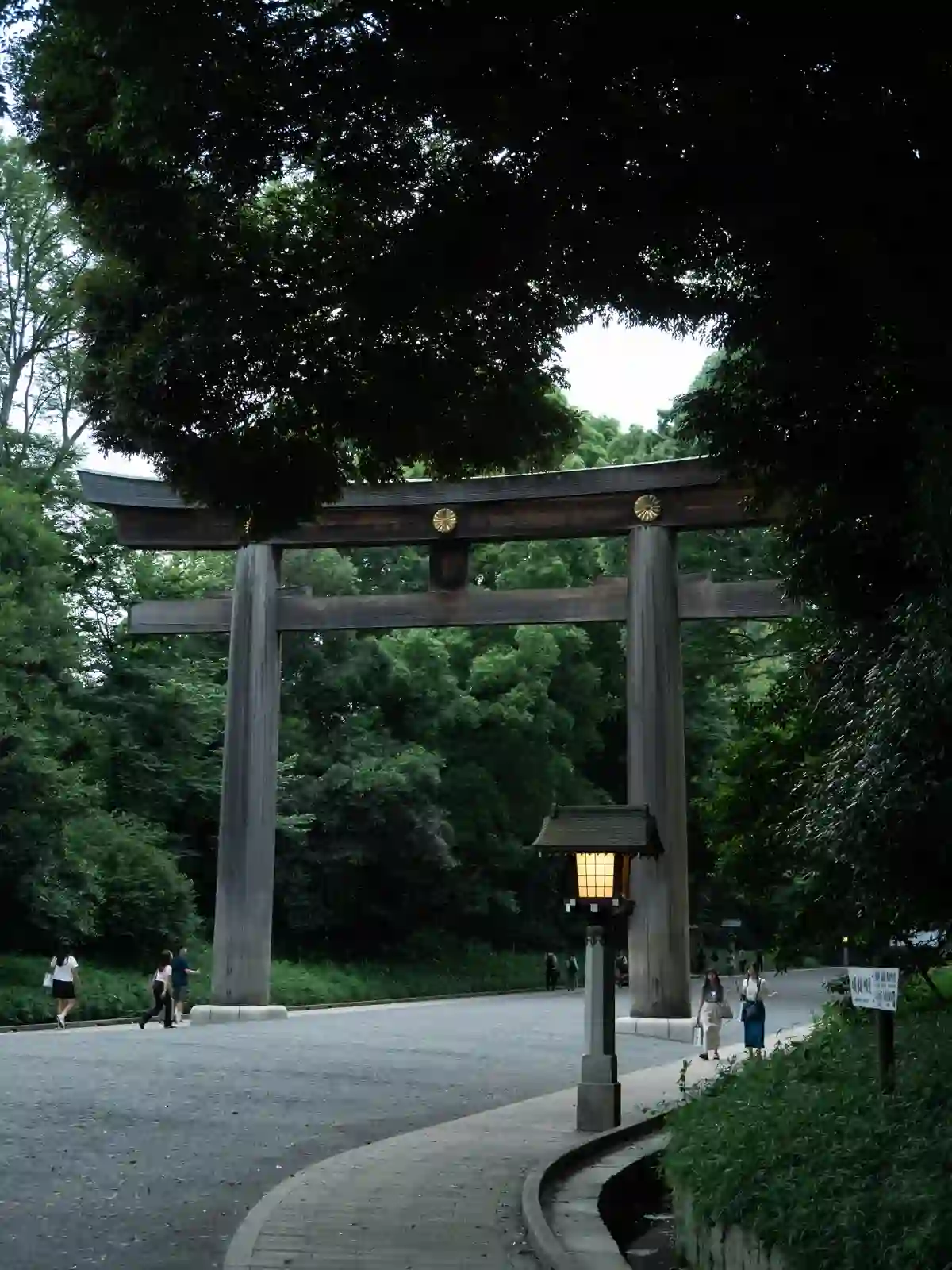
A forested shrine dedicated to Emperor Meiji and Empress Shoken, right next to the fashion and shopping streets of Harajuku. The 100,000-plus trees on the grounds were planted by donation from across Japan when the shrine was built, and it now feels like a forest in the middle of the city.
Best for
First-time visitors, Combining with city sightseeing, A quiet break from Tokyo
Best season
Year-round
Suggested time
1-1.5 hours
Highlights
The forested approach path and its large wooden torii gates
The inner shrine courtyard
Traditional Shinto weddings, sometimes visible on weekends
Local food to try
Crepes and street food in nearby Takeshita Street, Harajuku
Cultural notes
At the temizuya (purification fountain) near the entrance, visitors rinse their hands and mouth before approaching the shrine — watching other visitors do this first is the easiest way to learn the steps.
Travel tips
The shrine is a short walk from Harajuku or Meiji-Jingumae Station, making it easy to pair with a Harajuku and Omotesando visit in the same day.
Nearby: Harajuku, Shibuya, Yoyogi Park
#6
Todai-ji東大寺
Nara · Kansai
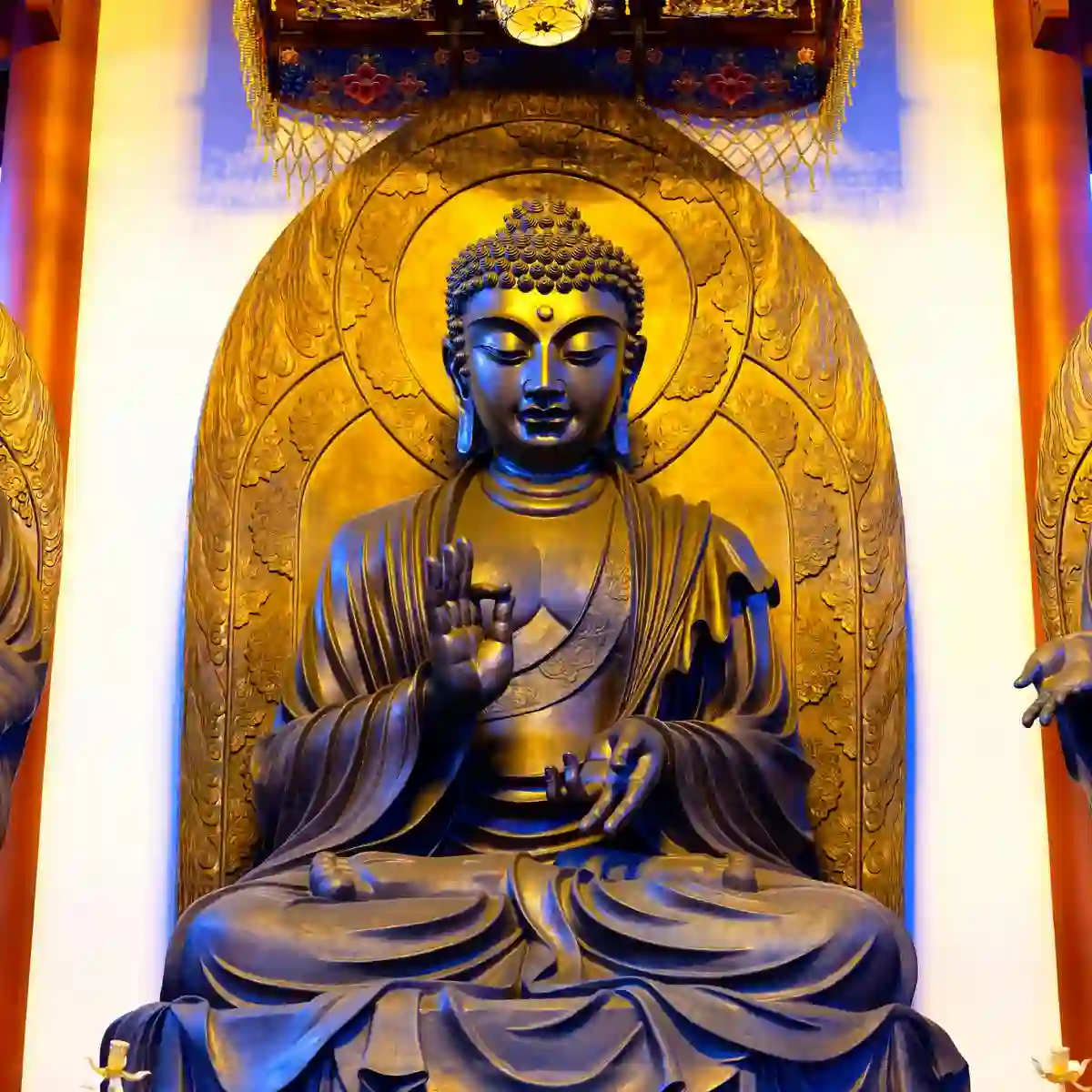
Home to the Great Buddha (Daibutsu), a bronze statue over 15 meters tall, housed in what is one of the world's largest wooden buildings. Todai-ji has been a center of Japanese Buddhism since the 8th century and is part of Nara's UNESCO-listed historic monuments.
Best for
History, Families, Combining with wildlife (Nara Park deer)
Best season
Year-round
Suggested time
1.5-2 hours, longer with Nara Park
Highlights
The Great Buddha Hall (Daibutsuden) and the statue itself
A pillar with a hole said to be the same size as the Buddha's nostril, that visitors try to crawl through for good luck
Nara Park's free-roaming deer on the approach to the temple
Local food to try
Kakinoha-zushi (persimmon-leaf-wrapped sushi)
Mochi pounded to order near Nara Park
Cultural notes
The deer in Nara Park are considered messengers of the gods and are protected. They can bow for food but should still be treated as wild animals.
Travel tips
Todai-ji is a walk through Nara Park from Kintetsu Nara or JR Nara Station, so budget extra time for the deer (and for deer crackers, sold by vendors along the path).
Nearby: Kasuga Taisha, Nara Park
#7
Kinkaku-ji (Golden Pavilion)金閣寺
Kyoto · Kansai
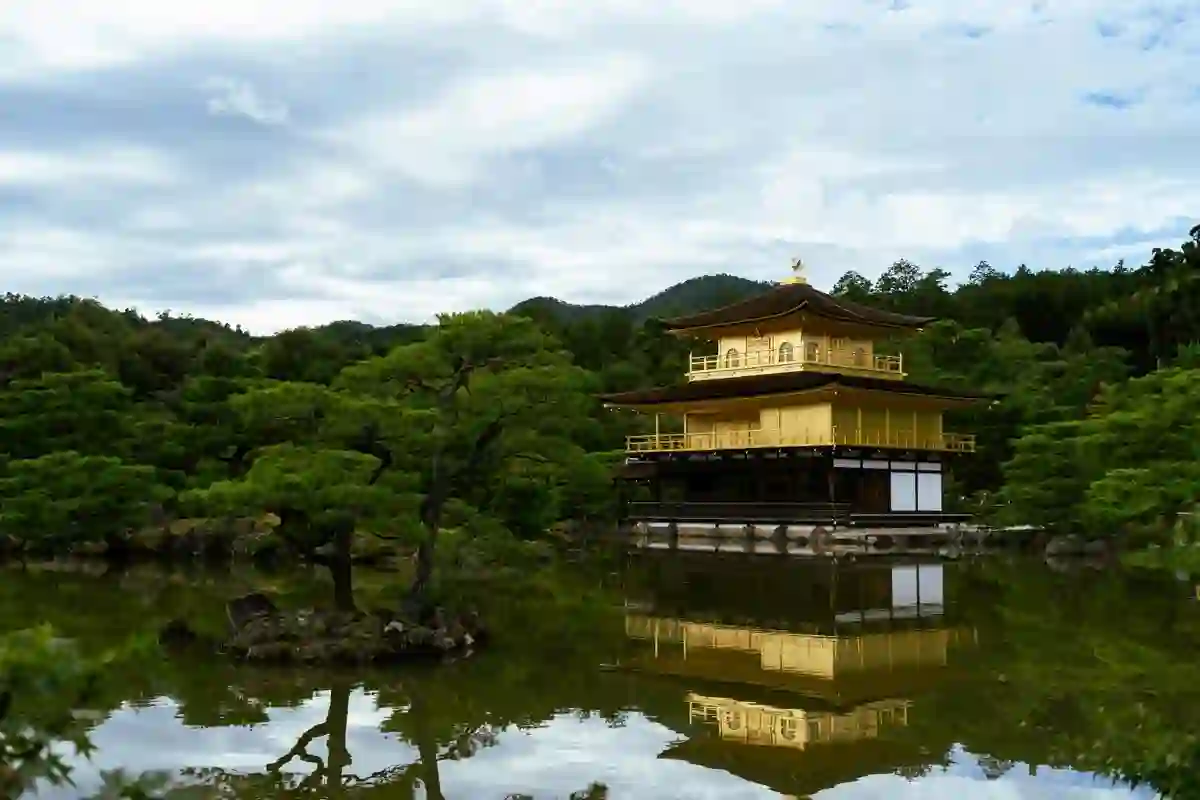
A Zen temple whose top two floors are covered in gold leaf, reflected in the pond in front of it. Originally a retirement villa for a shogun before being converted into a temple, it's one of the most recognizable images of Kyoto.
Best for
First-time visitors, Photography, Short visits
Best season
Winter (especially after snowfall) and autumn
Suggested time
45-60 minutes
Highlights
The classic view of the pavilion across the reflecting pond
The surrounding strolling garden
Seasonal variation — snow, autumn leaves, and spring greenery all change the scene
Local food to try
Matcha and wagashi at nearby tea houses
Cultural notes
The current structure is a mid-20th-century reconstruction after the original was destroyed by fire — it's still treated with the same reverence as the historic original.
Travel tips
This is a single-loop visit — there's one walking path through the grounds — which makes it a fast, easy add-on to a Kyoto itinerary even with limited time.
Nearby: Ryoan-ji (rock garden), Kiyomizu-dera
#8
Koyasan (Okunoin)高野山(奥之院)
Wakayama · Kansai
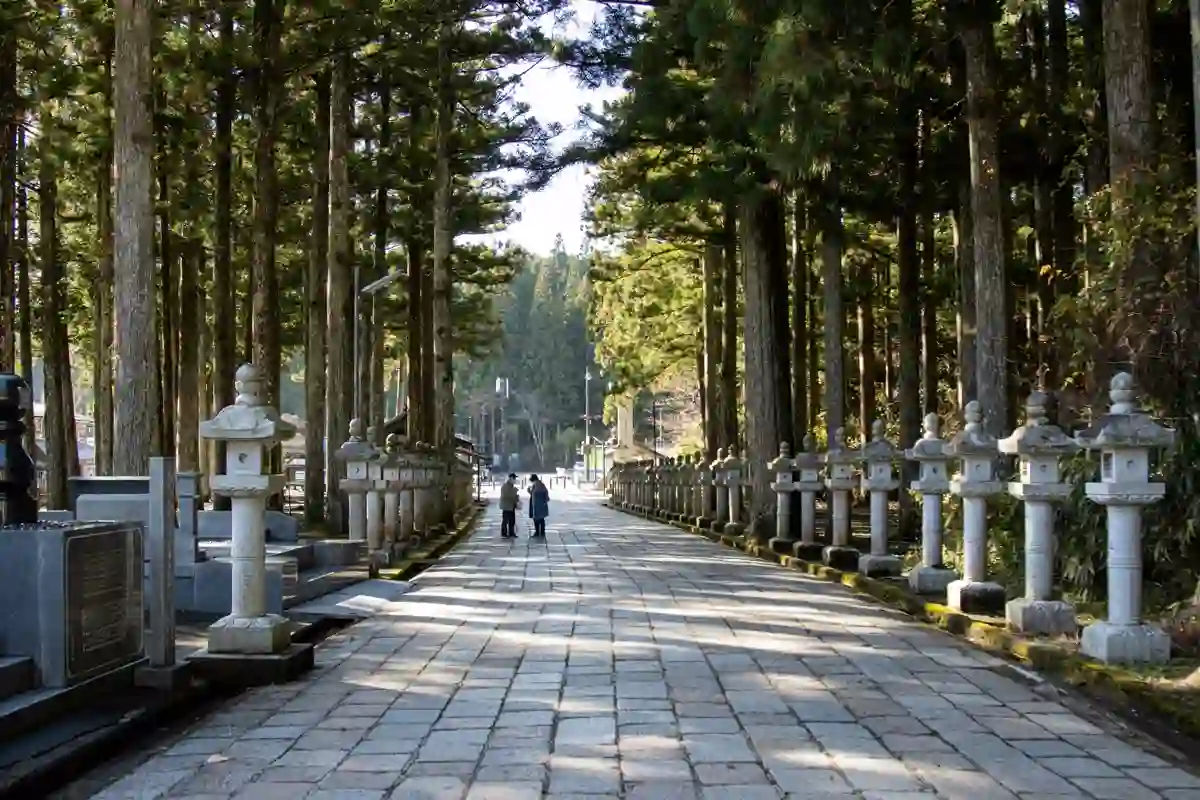
A mountaintop temple town founded over a thousand years ago as the headquarters of Shingon Buddhism. Okunoin, its vast forested cemetery, holds an estimated 200,000 graves and monuments leading to the mausoleum of the monk Kobo Daishi. Many visitors stay overnight in a temple lodging (shukubo).
Spring through autumn; can be very cold and snowy in winter
Suggested time
Overnight recommended
Highlights
Walking the moss-covered, cedar-lined paths of Okunoin, especially near dusk
Staying in a shukubo and joining the morning prayer service
Shojin ryori, traditional Buddhist vegetarian cuisine, served at temple lodgings
Local food to try
Shojin ryori (temple vegetarian cuisine)
Goma-dofu (sesame tofu)
Cultural notes
Okunoin is an active pilgrimage site and cemetery, not a sightseeing park — quiet, respectful behavior is expected throughout.
Travel tips
Koyasan is reached by a mountain train and cable car from the Kansai region. Because of the travel time involved, it rewards an overnight stay rather than a rushed day trip.
Nearby: Osaka, Kumano Kodo pilgrimage routes
Nikko Toshogu
#9
Nikko Toshogu日光東照宮
Tochigi · Kanto
An elaborately decorated shrine complex built as the mausoleum of Tokugawa Ieyasu, the shogun who unified Japan and founded the Edo period. Its ornate carvings — including the original "see no evil, hear no evil, speak no evil" monkeys — contrast with the restraint of most Shinto architecture.
Best for
History, Architecture, Autumn foliage
Best season
Autumn
Suggested time
Half a day
Highlights
The intricately carved Yomeimon Gate
The original three wise monkeys carving
The surrounding cedar forest approach
Local food to try
Yuba (tofu skin) dishes
Nikko soba
Cultural notes
Toshogu is deliberately more ornate than most Shinto shrines, reflecting Tokugawa-era power rather than typical Shinto minimalism — worth knowing going in, since it looks quite different from a shrine like Ise or Meiji Jingu.
Travel tips
Nikko is a day trip or overnight from Tokyo. The town has several other temples and shrines nearby, so it's worth allowing a full day.
Nearby: Lake Chuzenji, Kegon Falls
#10
Izumo Taisha出雲大社
Shimane · Chugoku
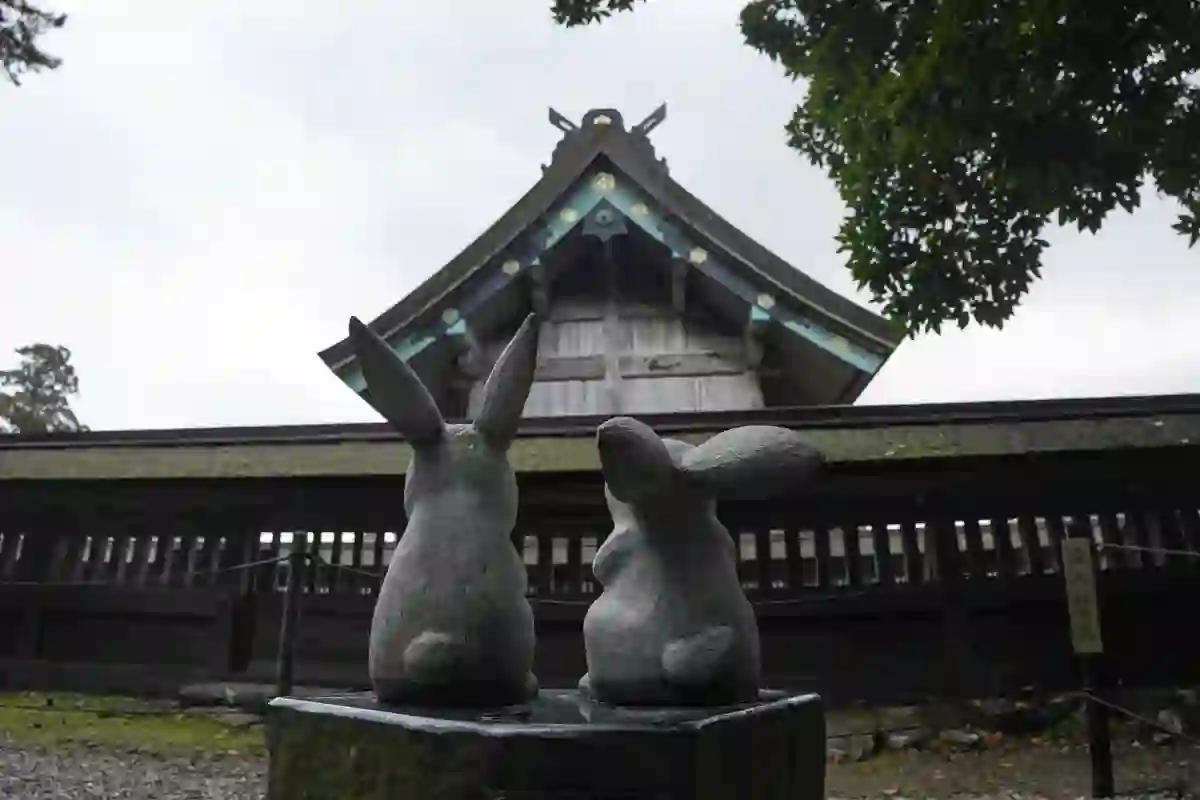
One of Japan's oldest and most important Shinto shrines, dedicated to Okuninushi, the deity associated with relationships and good fortune. According to tradition, all of Japan's Shinto deities gather here once a year, during the month locally called Kamiarizuki ("month with the gods") rather than Kannazuki ("month without gods") as it's known elsewhere.
Best for
Spiritual travelers, Those interested in Shinto tradition, Off-the-beaten-path itineraries
Best season
Year-round
Suggested time
2-3 hours
Highlights
The massive shimenawa (sacred straw rope) at the Kagura-den hall, among the largest in Japan
The main shrine hall, built in a style unique to Izumo
The shrine's role in Shinto mythology around relationships and marriage
Local food to try
Izumo soba
Cultural notes
The clapping ritual at Izumo Taisha traditionally uses four claps instead of the usual two used at most Shinto shrines.
Travel tips
Izumo is less visited by international travelers than the Kansai shrines on this list, partly because of the travel time from Tokyo or Osaka — it suits an itinerary that already includes the Chugoku region or the Sanin coast.
Nearby: Matsue Castle, Adachi Museum of Art
Table of Contents
Who This Trip Is Best For
This itinerary theme suits travelers who want their trip to have some depth beyond photo stops — people interested in Shinto and Buddhist history, architecture, or simply the feeling of a place that’s been considered significant for centuries. It also works well for travelers who want a natural way to slow down a fast-paced Japan itinerary, since several of these sites (especially Koyasan and Ise) reward unhurried time rather than a quick visit.
It’s less suited to a trip built entirely around nightlife, shopping, or a tightly packed multi-city checklist — you’ll get more out of this list if you’re willing to give at least one or two of these places a half day or more.
Best Time to Visit
Most of these sites are open and meaningful year-round, since they’re working religious sites rather than seasonal attractions. That said:
Spring and autumn are the most comfortable for the walking involved, and add cherry blossoms or foliage at sites like Kiyomizu-dera and Nikko Toshogu.
Summer in Japan is hot and humid; sites with extensive outdoor walking (Fushimi Inari’s full mountain loop, Koyasan, Nara Park) are more demanding in July and August.
Winter can be atmospheric, especially Kinkaku-ji after snowfall, but Koyasan gets cold and can see significant snow.
If you’re building a first-time Japan itinerary around this list, the most efficient grouping is:
Kanto leg (Tokyo-based): Meiji Jingu, with Nikko Toshogu as a day trip or overnight.
Kansai leg (Kyoto/Osaka/Nara-based): Fushimi Inari Taisha, Kiyomizu-dera, and Kinkaku-ji in Kyoto; Todai-ji in Nara; Ise Jingu as a day trip; Koyasan as an overnight detour.
Chugoku leg (if time allows): Itsukushima Shrine near Hiroshima, and Izumo Taisha further along the Sanin coast for travelers with extra time.
A first-time, two-week Japan trip can realistically cover the Kanto and Kansai legs; the Chugoku leg suits a return trip or a longer itinerary.
Practical Tips
Shoes come off at some indoor halls — slip-on shoes make this easier.
Coins are useful for offering boxes at shrine and temple entrances.
Many sites have specific etiquette for prayer (how many bows, claps, and bows again) posted near the entrance — it’s fine to watch and follow other visitors.
Opening hours, admission fees, and seasonal closures vary by site and change over time. Confirm current details on each shrine or temple’s official website, or through a reputable current travel resource, before finalizing your itinerary.
Cultural Etiquette
A few habits apply broadly across Shinto shrines and Buddhist temples in Japan:
Pause briefly and bow slightly before passing through a torii gate or temple gate — you’re entering sacred ground.
At the temizuya (water basin), rinse both hands and then your mouth before approaching the main hall, using the ladle provided.
Keep voices low inside halls and cemetery areas, particularly at active pilgrimage sites like Koyasan.
Ask before photographing monks, priests, or ongoing ceremonies.
Where to Stay
For the Kansai leg of this list, staying in central Kyoto puts you within reach of Fushimi Inari, Kiyomizu-dera, and Kinkaku-ji, with Nara and Ise as day trips. For Koyasan, staying overnight in a shukubo (temple lodging) on the mountain is a core part of the experience, not just a place to sleep — it typically includes a shared vegetarian dinner and the option to join morning prayers.
Things to Book
Most of these sites don’t require advance tickets, but a few things are worth arranging ahead of time:
Shukubo lodging at Koyasan, which has limited capacity and fills up during peak seasons.
Transportation passes if your route spans multiple regions — regional and national rail passes can be worth comparing against individual tickets depending on your route.
Guided tours, if you’d like historical or religious context beyond what’s posted on-site, particularly at Ise Jingu and Koyasan.
Frequently Asked Questions
Do I need to pay to enter these sacred places?
It varies by site, and fees change over time, so treat any number you read (including on this page) as approximate. As a general pattern, most Shinto shrine grounds are free to enter, while many temples charge a modest admission fee for main halls or gardens. Check each site's official information shortly before your visit.
What should I wear to visit a shrine or temple?
There's no strict dress code for most sites on this list, but modest, comfortable clothing is appropriate, and you'll do a fair amount of walking — often on gravel or uneven stone. A few halls require removing shoes before entering.
Is photography allowed?
Generally yes in outdoor areas, but it's often restricted inside main halls or close to certain sacred objects. Look for posted signage, and when in doubt, watch what other visitors are doing.
Can I realistically visit all 10 places in one trip?
You could, but it would mean a lot of transit time for relatively short visits. Six of these ten are in the Kansai region (Kyoto, Nara, Mie, Wakayama), so a Kansai-focused itinerary can reasonably include several of them without long-distance travel.
What's the best time of year to visit?
Spring and autumn are the most comfortable for walking-heavy visits and add seasonal scenery, but every site on this list is open and worth visiting year-round. See our guide to Japan's seasons for how timing shapes the experience.
Written by a native of Japan
Know Before You Go
A few things a local would want you to know before your trip — manners, culture, and a few useful phrases, plus an honest take on what's genuinely great (and not so great) about traveling here.

Comments
Comments are reviewed before they appear — yours won't show up immediately, but we do read every one.
Loading comments…