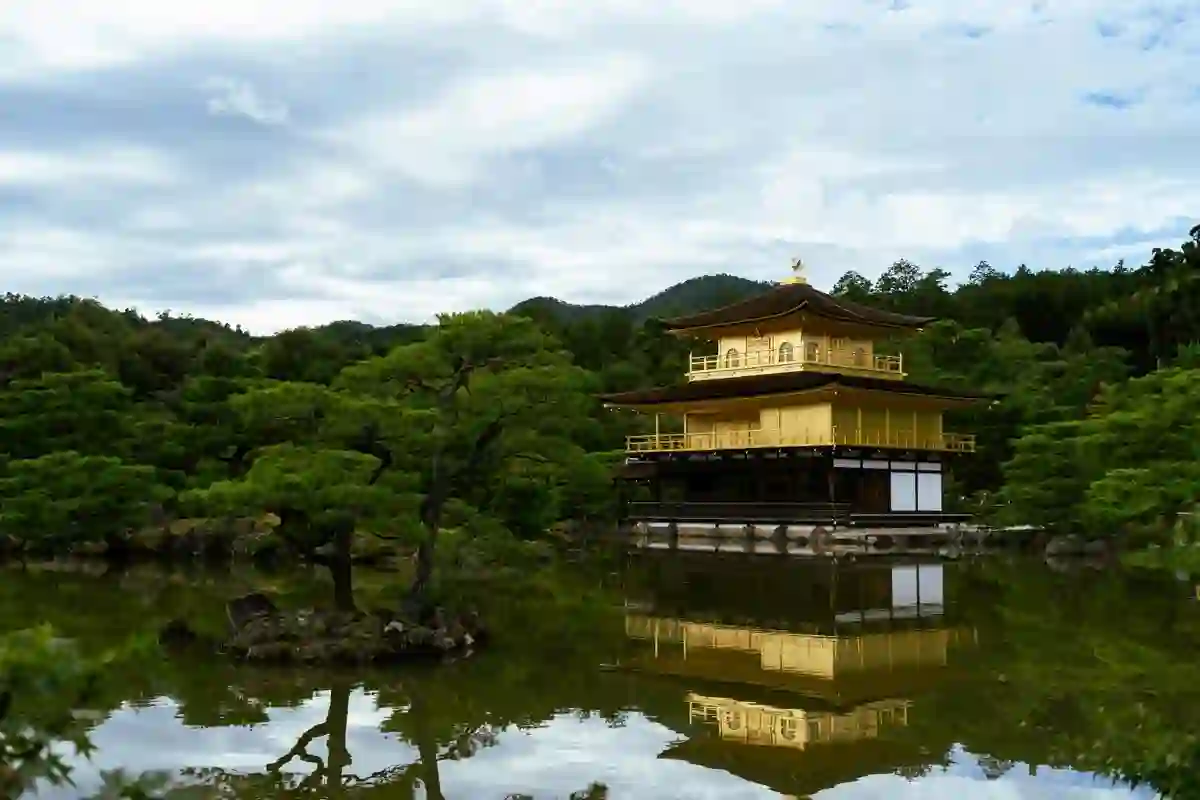
Tradition
What to Know Before Visiting Japan: A Local's Honest Guide to Culture & Etiquette
Written from a native Japanese perspective — the manners, cultural context, and everyday phrases that help visitors travel with confidence and leave a great impression, plus an honest look at what's genuinely great (and not so great) about traveling here.
Most travel advice about Japan is written by outsiders describing what they noticed on a trip. This guide is different: it's written from the perspective of someone born and raised here, sharing the everyday context that locals take for granted but visitors usually don't know — until someone tells them.
None of this is about "rules" you'll be punished for breaking. Japan is far more forgiving of visitors than its reputation suggests. It's about the small things that, when you know them, make people feel more at ease around you and make your own trip go more smoothly. Think of it as insider context, not a test.
Table of Contents
Japan’s Seasons at a Glance
Japan’s four seasons are more distinct, and more culturally central, than in most countries — seasonal food, seasonal language, and seasonal travel are all part of daily life here, not just a backdrop. A few things that surprise first-time visitors:
- Seasonal produce and seafood are a genuine point of pride — asking “what’s in season right now?” at a restaurant is a completely normal question, not a strange one, and often gets you the best dish on the menu.
- Air conditioning and heating culture differs from what many visitors expect — buildings are often kept closer to outdoor temperature than in the US, both in summer and winter, for energy-saving reasons.
- Seasonal words and greetings change throughout the year, and you’ll see this reflected in everything from menus to shop window displays.
This guide focuses on culture and manners rather than trip timing — for a full breakdown of what each season actually looks like and how to plan around it, see our guide to Japan through the four seasons.
Everyday Etiquette Tips That Make a Great Impression
These are the habits that locals notice — in a good way — when a visitor already knows them.
- Take your shoes off when a space expects it. Most homes, many traditional restaurants and ryokan, and some temples require this. Look for a step up, a shoe rack, or slippers laid out — those are the signals.
- Keep phone calls and loud conversation off trains and buses. Public transport in Japan is famously quiet. Texting is fine; phone calls are not.
- Stand still on one side of the escalator. Which side depends on the region — most of Japan stands on the left (walking lane on the right), but Osaka is a well-known exception where it’s reversed. Watch what locals do and match it.
- Don’t eat while walking through crowded areas, especially near food stalls or in shopping streets — eat where you bought the food, or find a nearby spot to stand. This is loosening in very touristy areas, but still appreciated as good form.
- Skip the tip. Tipping isn’t part of the culture and can genuinely confuse service staff. Good service is already the baseline, not something to pay extra for.
- Carry your trash. Public trash cans are surprisingly rare in Japan, despite how clean the streets are. Convenience stores and train stations sometimes have bins near what they sell; otherwise, expect to carry small trash until you’re back at your hotel.
- Use both hands for small exchanges. Handing over money, a business card, or a gift with both hands (or receiving one that way) reads as more polite than a one-handed motion. It’s a small gesture that’s easy to adopt.
Understanding Japanese Culture and Social Norms
A little context on why things work the way they do tends to make the etiquette above feel natural rather than arbitrary:
- Group harmony (wa) is a real cultural value, not just a stereotype. Public behavior often prioritizes not disrupting the people around you — this is the thread connecting quiet trains, orderly queues, and indirect communication styles.
- Indirectness is often politeness, not evasiveness. A hesitant “that might be a little difficult” often means no. Direct refusals can feel abrupt in Japanese social context, so answers are frequently softened.
- Punctuality is taken seriously, for trains and for people. Arriving even a few minutes late to a reservation or meeting point is worth an apology, even as a tourist.
- Gift-giving culture (omiyage) is widespread. Bringing back small, local snacks for coworkers or friends after any trip — even a short one — is a deeply normal habit, which is part of why train stations and airports have such extensive local snack shops.
- Service culture (omotenashi) runs deep. Hospitality in Japan is often about anticipating needs before they’re voiced, rather than simply responding to requests — it’s part of why service can feel exceptionally attentive without expecting a tip in return.
Useful Japanese Phrases for Travelers
You don’t need fluency — a handful of phrases used sincerely go a long way.
| Phrase | Reading | When to use it |
|---|---|---|
| ありがとうございます | Arigatou gozaimasu | Thank you (polite, safe in any situation) |
| すみません | Sumimasen | “Excuse me,” to get attention, and a soft “sorry” |
| お願いします | Onegaishimasu | “Please” — when asking for or ordering something |
| いただきます | Itadakimasu | Said before eating, roughly “I gratefully receive this” |
| ごちそうさまでした | Gochisousama deshita | Said after eating, to thank for the meal |
| こんにちは | Konnichiwa | Hello (daytime) |
| いくらですか? | Ikura desu ka? | “How much is this?” |
| トイレはどこですか? | Toire wa doko desu ka? | “Where is the bathroom?” |
| 英語は大丈夫ですか? | Eigo wa daijoubu desu ka? | “Is English okay?” — a polite way to check before continuing in English |
| わかりません | Wakarimasen | “I don’t understand” (useful, and said without embarrassment) |
A small tip: pairing any of these with a slight bow and a smile carries as much weight as getting the pronunciation exactly right.
Honest Pros and Cons of Traveling in Japan, From a Local’s Perspective
Most guides only tell you the good parts. Here’s a more balanced view.
What’s genuinely great:
- Public safety is exceptional — walking alone at night, leaving a bag to save a seat, and forgetting items (which are frequently returned) are all normal here in a way that surprises most first-time visitors.
- Public transport is extraordinarily punctual, clean, and easy to navigate once you understand the basics.
- The range of food, at every price point, is hard to overstate — see our guide to Japan’s best food regions for more.
- Cleanliness in public spaces is a genuine point of national pride, despite the scarcity of public trash cans mentioned above.
What’s genuinely more difficult than people expect:
- The language barrier is real outside major cities and tourist areas — English signage and spoken English both drop off quickly in rural Japan.
- Cash-only pockets still exist, especially at small, older, or rural establishments, and running out of cash can be a real inconvenience.
- Popular sites in Kyoto and Tokyo can be genuinely overcrowded during peak seasons (cherry blossom and autumn foliage weeks especially), which can undercut the peaceful image people expect.
- Accessibility for travelers with mobility needs varies significantly — some older train stations and traditional buildings were not built with modern accessibility in mind.
- The unspoken social rules described above can occasionally make it hard to know if something is genuinely fine or subtly not — when in doubt, watching what people around you are doing is usually the fastest way to tell.
Do’s and Don’ts at a Glance
Do:
- Carry cash, even if you plan to mostly use cards.
- Bow slightly when greeting or thanking someone — it doesn’t need to be deep or formal.
- Queue in the marked line, even if it looks informal.
- Try saying at least a few phrases in Japanese, even imperfectly.
Don’t:
- Don’t tip — it’s not expected and can cause confusion.
- Don’t speak loudly on public transportation.
- Don’t blow your nose loudly in public if you can help it — stepping aside is more common.
- Don’t assume every small shop or restaurant accepts cards.
Frequently Asked Questions
Will I offend someone if I get etiquette wrong?
Almost certainly not in any serious way. Japanese people generally don't expect visitors to know local customs, and a genuine effort is noticed and appreciated far more than perfection. Treat this guide as a way to feel more confident, not a list of landmines.
Do I need to learn Japanese before visiting?
No. English signage is common in major cities and at most tourist sites, and translation apps handle most gaps. Knowing a handful of phrases (see below) goes a long way for warmth and goodwill, but it's genuinely optional for a smooth trip.
Is Japan as strict and formal as people say?
Public life has more shared, unspoken order than many Western countries — queuing, quiet trains, punctuality — but everyday interactions are often warmer and more relaxed than the stereotype suggests, especially once you're a regular at a small restaurant or shop.
What's the single most useful thing to know before arriving?
Cash still matters. Card and mobile payment acceptance has grown a lot, but many small restaurants, older shops, and rural areas are still cash-based or cash-preferred. Carrying some yen avoids awkward moments.
Related Guides
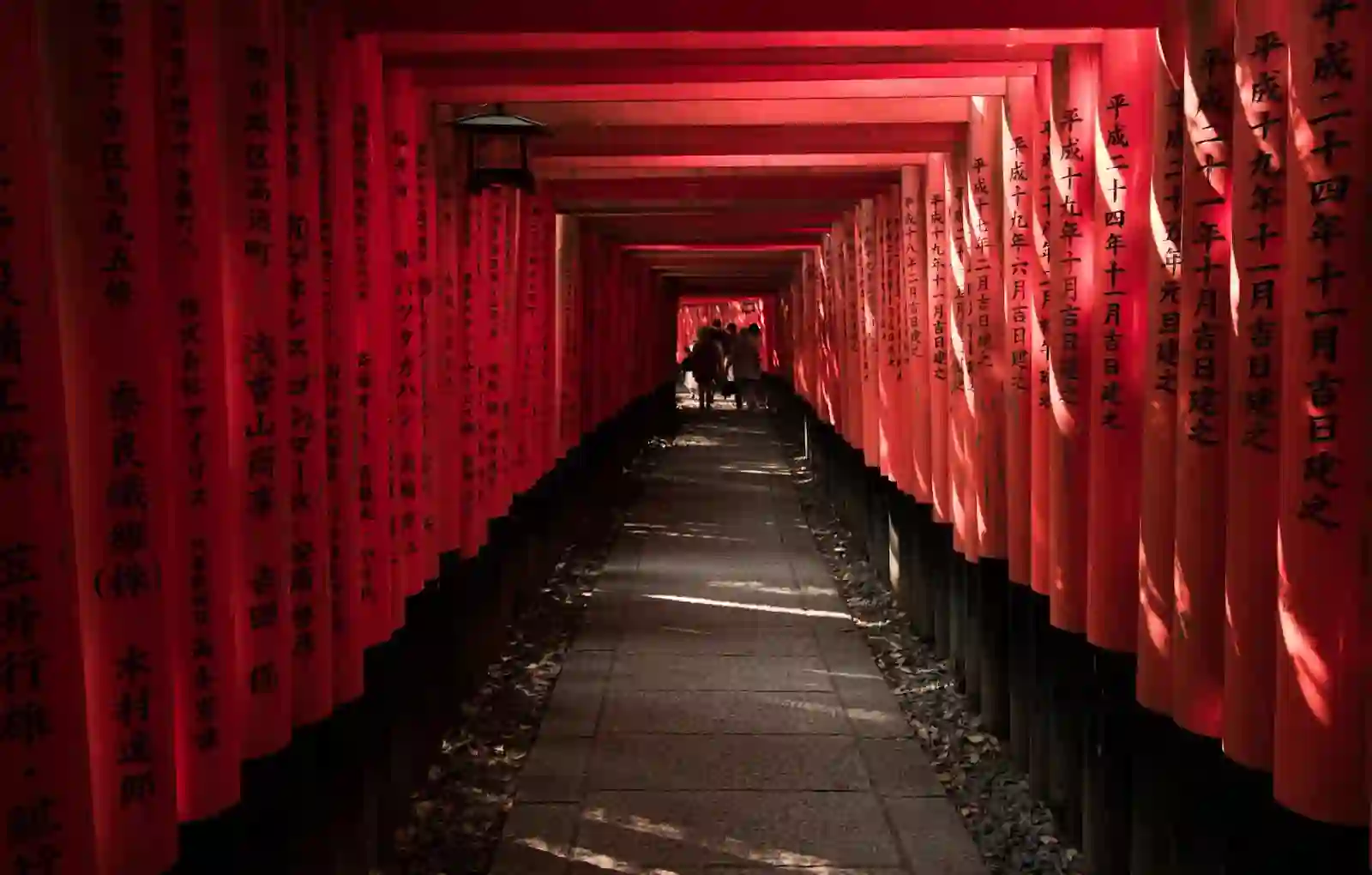
Spiritual
10 Sacred Places in Japan You Should Experience at Least Once
From a mountain of vermillion gates to a floating shrine and a temple town built around one of Buddhism's most important sites, these are 10 of the most sacred places in Japan.

Food
10 Japanese Regions Every Food Lover Should Visit
Japan's food culture changes dramatically by region. These 10 regions — from Hokkaido's seafood to Okinawa's subtropical cuisine — are where to go if you're planning a trip around what you eat.
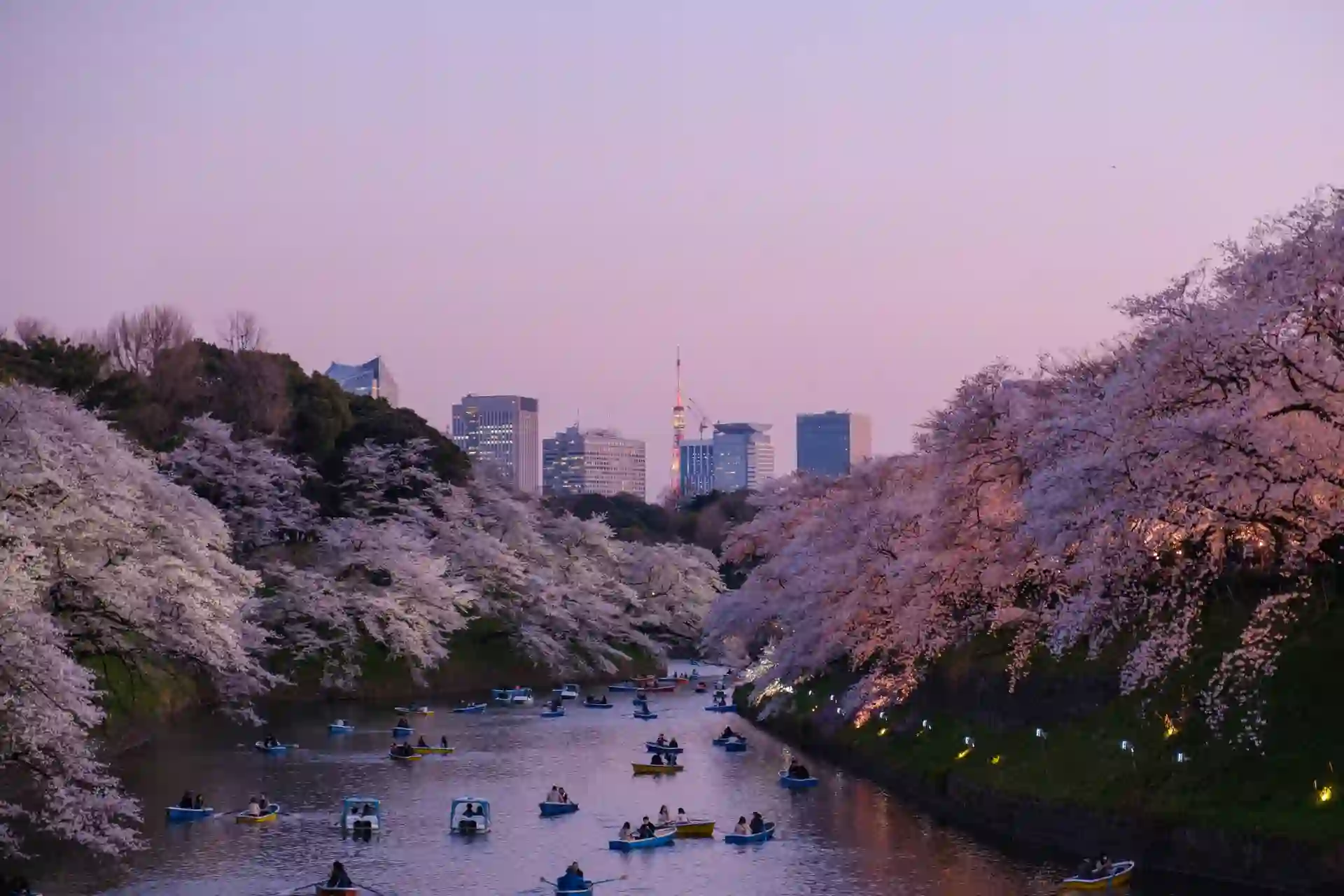
Seasons
Japan Through the Four Seasons: What to Expect and When to Go
Japan changes dramatically across spring, summer, autumn and winter. Here's what defines each season, how they vary by region, and how to decide when to plan your trip.
Comments
Comments are reviewed before they appear — yours won't show up immediately, but we do read every one.
Loading comments…