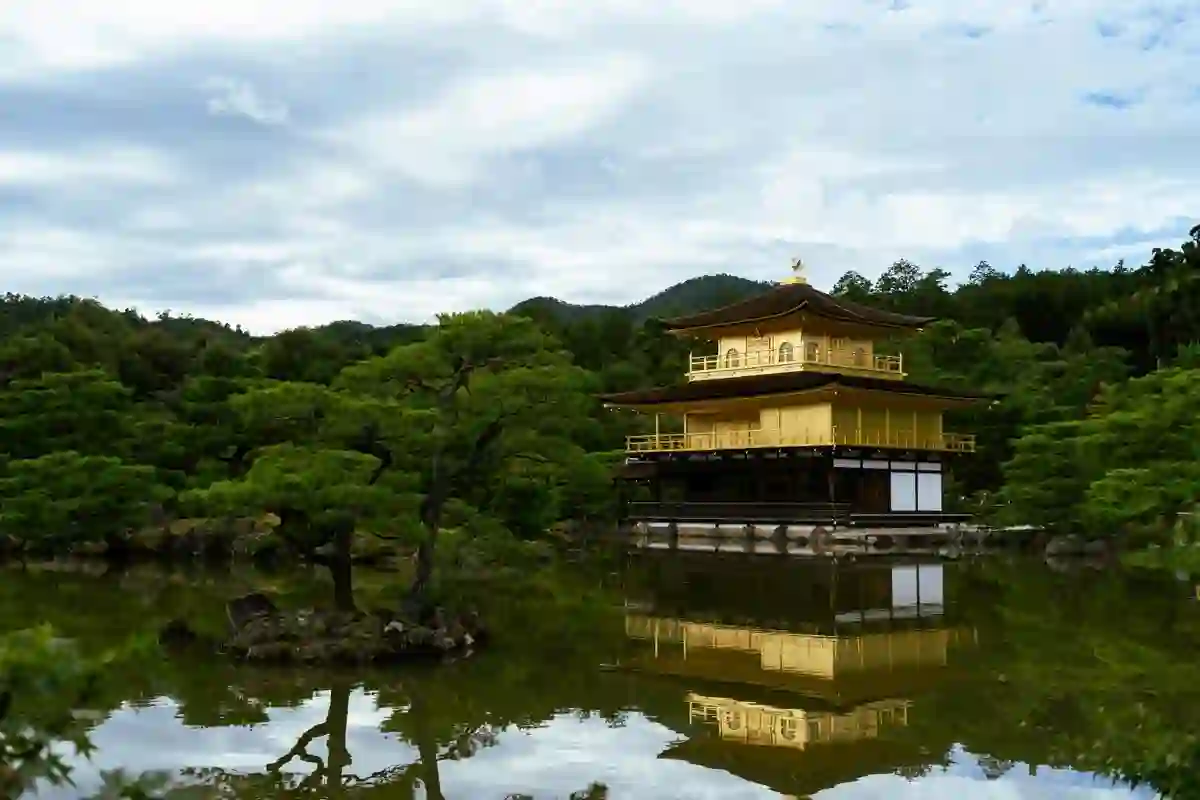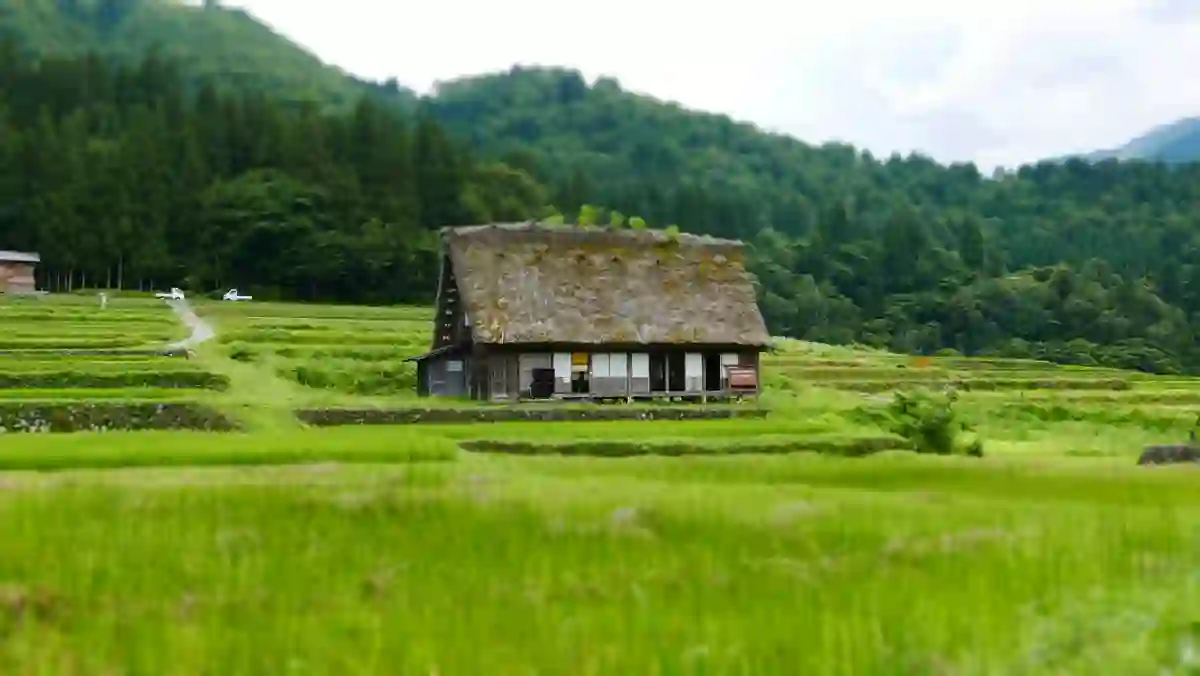
A traditional wooden house in a quiet Japanese countryside town

Hidden Japan

Japan's Most Underrated Towns Worth the Detour

Only a fraction of visitors to Japan ever make it beyond Tokyo, Kyoto, and Osaka. These six towns have the old streets, canals, and castles to match — with a fraction of the crowds.

Japan's first-time tourist route is well worn for a reason, but it's also just a small slice of the country. A handful of towns — some an hour from a major city, some a genuine detour — preserve Edo-period streets, canal districts, and castles just as striking as anything on the standard itinerary, largely because most travelers never get there.

None of these require a wildly complicated trip to reach. They just require knowing they exist in the first place.

Quick Comparison

#NameLocationBest forBest seasonTime
1TakayamaGifu, ChubuPreserved old streets, Sake breweries, A mountain-town atmosphereSpring and autumn for weather; the Takayama Festival draws crowds in spring and autumn too1-2 days
2KurashikiOkayama, ChugokuCanal-town scenery, Art museums, A quick, low-effort detourSpring for the willows and mild weatherHalf a day to a full day
3OnomichiHiroshima, ChugokuTemple walks with sea views, Starting the Shimanami Kaido cycling route, A laid-back seaside atmosphereSpring and autumn for cycling and walking comfortably1 day
4MatsueShimane, ChugokuOriginal castle architecture, A genuinely untouristed pace, Lake and canal sceneryAutumn for foliage around the castle moat1 day
5YanagawaFukuoka, KyushuA relaxed boat tour, A specific regional food specialty, A short, easy Kyushu day tripYear-round; spring and autumn are most comfortable for the boat tourHalf a day
6UwajimaEhime, ShikokuOriginal castle architecture, An off-the-radar Shikoku stop, Coastal scenerySpring and autumn1 day

Where These Are

Chubu — Gifu
Chugoku — Okayama, Hiroshima, Shimane
Kyushu — Fukuoka
Shikoku — Ehime
Takayama

#1

Takayama高山

Gifu · Chubu

Tucked into the Japanese Alps, Takayama preserves an Edo-period merchant district as intact as anything in Kyoto, but reportedly sees only a small fraction of Japan's total inbound visitors.

Best for
Preserved old streets, Sake breweries, A mountain-town atmosphere
Best season
Spring and autumn for weather; the Takayama Festival draws crowds in spring and autumn too
Suggested time
1-2 days

Highlights

  • Sanmachi Suji, rows of dark-timbered Edo-period merchant houses now housing sake breweries and craft shops
  • A morning market (asaichi) along the river, running for centuries
  • Sake breweries marked by a distinctive ball of cedar fronds (sugidama) hung outside

Cultural notes

Several of the sake breweries in Sanmachi Suji have operated continuously for generations — the merchant houses aren't a recreation, they're still working businesses.

Travel tips

Takayama is a realistic stop between Kanazawa/Shirakawa-go and Nagoya or Kyoto, making it easy to fold into a Chubu-region route rather than requiring a dedicated round trip.

Nearby: Shirakawa-go, Kanazawa
Kurashiki

#2

Kurashiki倉敷

Okayama · Chugoku

Fifteen minutes from Okayama by local train, Kurashiki's Bikan Historical Quarter has canals lined with 17th-century white-walled storehouses, weeping willows, and stone bridges — and it's genuinely overlooked by international visitors.

Best for
Canal-town scenery, Art museums, A quick, low-effort detour
Best season
Spring for the willows and mild weather
Suggested time
Half a day to a full day

Highlights

  • The Bikan Historical Quarter's canal, storehouses (kura), and stone bridges
  • The Ohara Museum of Art, Japan's first Western art museum, with works by Monet, El Greco, and Renoir
  • A denim-making history — Kurashiki is considered the birthplace of Japanese denim, and the area has denim boutiques to match

Travel tips

Kurashiki's easy access from Okayama Station (a Shinkansen stop) makes it one of the lowest-effort detours on this list — genuinely feasible as a half-day trip.

Nearby: Okayama, Naoshima

Onomichi

#3

Onomichi尾道

Hiroshima · Chugoku

A seaside port town built into steep hillsides overlooking the Inland Sea, known for cliffside temples, narrow sloped streets, and — somewhat famously — cats.

Best for
Temple walks with sea views, Starting the Shimanami Kaido cycling route, A laid-back seaside atmosphere
Best season
Spring and autumn for cycling and walking comfortably
Suggested time
1 day

Highlights

  • Senkoji Temple, perched on a hillside with views over the town and the Inland Sea
  • "Cat Alley," a narrow lane known for its resident cats and small feline-themed art
  • The starting point for the Shimanami Kaido, a well-known cycling route across the Inland Sea islands

Travel tips

Onomichi is an easy day trip from Hiroshima City (about an hour by train), so it doesn't require an overnight stay unless you're continuing onto the Shimanami Kaido.

Nearby: Hiroshima, Shimanami Kaido

Matsue

#4

Matsue松江

Shimane · Chugoku

A quiet castle town on the Sea of Japan coast in one of Japan's least-visited prefectures by international tourists, built around one of the country's original (non-reconstructed) castles.

Best for
Original castle architecture, A genuinely untouristed pace, Lake and canal scenery
Best season
Autumn for foliage around the castle moat
Suggested time
1 day

Highlights

  • Matsue Castle, one of only a handful of Japanese castles with an original (not rebuilt) main keep
  • Boat tours along the moat encircling the castle grounds
  • A position on Lake Shinji, known for its sunsets

Travel tips

Shimane is one of the least-visited prefectures by international tourists, so expect a genuinely quiet, local pace rather than tourist infrastructure built around foreign visitors.

Nearby: Izumo Taisha, Tottori Sand Dunes

Yanagawa

#5

Yanagawa柳川

Fukuoka · Kyushu

A small canal town best known for its punt boat tours, where a boatman poles you along waterways that once served as a castle's moat system, occasionally hopping onto low bridges along the way.

Best for
A relaxed boat tour, A specific regional food specialty, A short, easy Kyushu day trip
Best season
Year-round; spring and autumn are most comfortable for the boat tour
Suggested time
Half a day

Highlights

  • Canal punt tours (donkobune) through the old castle town's waterway network
  • Unagi no seiro-mushi, a local specialty of freshwater eel steamed over rice in a bamboo basket
  • A slower, water-level view of a castle town most visitors never see

Travel tips

Yanagawa is an easy day trip from Fukuoka City, making it a low-effort add-on for anyone already routing through Kyushu for its ramen and onsen towns.

Nearby: Fukuoka, Kurume

Uwajima

#6

Uwajima宇和島

Ehime · Shikoku

A small coastal city on Shikoku, framed by mountains and the sea, home to one of Japan's dozen or so original (non-reconstructed) castles and a genuinely unusual fertility shrine.

Best for
Original castle architecture, An off-the-radar Shikoku stop, Coastal scenery
Best season
Spring and autumn
Suggested time
1 day

Highlights

  • Uwajima Castle, one of only twelve Japanese castles with an original main keep surviving from before the modern era
  • Taga Shrine, a fertility-themed shrine that's unusual within Japan's broader shrine culture
  • A quiet coastal setting rarely covered on standard Shikoku itineraries

Travel tips

Shikoku overall sees far fewer international visitors than the other three main islands, and Uwajima is on the quieter end even by Shikoku standards — worth knowing if you specifically want a low-tourist-traffic stop.

Nearby: Matsuyama, Kochi

Table of Contents

Who This Guide Is For

This is for travelers on a second (or more adventurous first) trip to Japan who want real sightseeing substance without the crowds of Kyoto’s most famous streets. It rewards a bit of flexibility in routing — most of these towns work best as a detour from wherever you’re already headed, not as a destination in their own right.

Best Time to Visit

  • Spring and autumn suit nearly all six towns, between comfortable walking weather and (for Takayama and Matsue especially) strong seasonal scenery.
  • Takayama’s spring and autumn festivals are worth timing a visit around if festival culture interests you, though they also bring more visitors than the town otherwise sees.
  • None of these are meaningfully seasonal destinations the way, say, an onsen or a ski town might be — they’re solid options most of the year.

Suggested Route

A realistic way to work these into a broader itinerary:

  1. Chubu detour: Takayama, ideally combined with Shirakawa-go and Kanazawa, as a alternative or addition to a standard Kyoto/Osaka route.
  2. Chugoku add-ons: Kurashiki (from Okayama) and Onomichi (from Hiroshima) both work as easy half-day-to-full-day detours if you’re already routing through that corridor.
  3. Kyushu/Shikoku for a second trip: Yanagawa (Fukuoka) and Uwajima (Shikoku) reward travelers who’ve already covered the standard route and want something further off it.

Practical Tips

  • Smaller towns like these often have limited dining hours compared to major cities — don’t assume you can eat whenever you want, especially outside lunch and dinner peak times.
  • Cash remains more essential here than in Tokyo or Osaka, even as card acceptance slowly expands.
  • Local tourist information centers in towns like these tend to be genuinely helpful and less overwhelmed than their counterparts in Kyoto, since they see far fewer visitors.

Opening hours, festival dates, and transportation schedules for smaller towns change more often than in major cities — confirm specifics closer to your trip.

For more off-the-beaten-path destinations, see our guide to Japan’s remote islands, or for broader cultural context before you go, our guide to Japanese culture and manners.

Frequently Asked Questions

Are these towns hard to reach without a car?

No — all six are reachable by train or a short bus ride from a larger city (Nagoya/Kanazawa for Takayama, Okayama for Kurashiki, Hiroshima for Onomichi, Fukuoka for Yanagawa). A car isn't required, though it can make combining several of them in one trip easier.

How many of these can I realistically fit into one trip?

Most travelers pick one or two that align with a region they're already visiting — Takayama and Kurashiki pair naturally with a Chubu/Kansai route, while Onomichi and Yanagawa pair with a Chugoku/Kyushu route. Treating all six as one dedicated trip would require covering most of the country.

Is English widely spoken in these towns?

Less than in Tokyo or Kyoto, generally. Picture menus, signage, and translation apps cover most day-to-day situations, but don't expect the same level of English signage as the biggest tourist hubs.

What makes a town "underrated" versus just obscure?

Each of these has a specific, well-documented historical or cultural draw (an original castle, a centuries-old merchant district, a unique local tradition) — they're not obscure for lack of anything to see, just because they sit outside the standard first-time route.

Written by a native of Japan

Know Before You Go

A few things a local would want you to know before your trip — manners, culture, and a few useful phrases, plus an honest take on what's genuinely great (and not so great) about traveling here.

Read the Full Guide

Comments

Comments are reviewed before they appear — yours won't show up immediately, but we do read every one.

Loading comments…