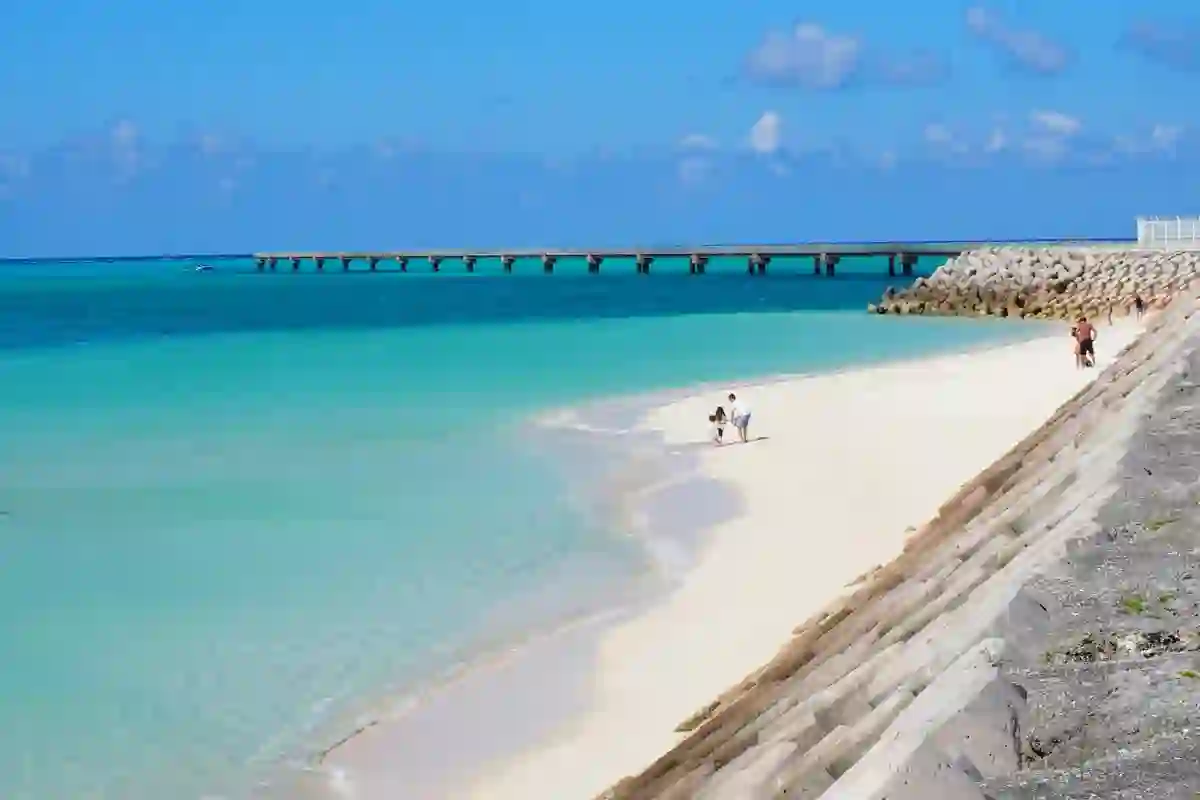
A quiet beach on the Okinawan coast

Hidden Japan

Japan's Remote Islands Worth the Journey

From a contemporary art island in the Seto Inland Sea to ancient cedar forests that inspired Princess Mononoke, these four islands reward the extra effort it takes to reach them.

Japan counts roughly 14,000 islands beyond the four main ones, and a handful have built a genuine identity distinct from anywhere on the mainland — a former smelter town turned world-class art destination, a subtropical forest island old enough to have inspired a Studio Ghibli film, a former place of exile with one of the country's best-preserved historic villages, and a tiny coral-reef island where the water earns its own name.

None of these are a quick add-on to a Tokyo or Kyoto itinerary. They require a deliberate detour — which is exactly why they've stayed distinct.

Quick Comparison

#NameLocationBest forBest seasonTime
1NaoshimaKagawa, Shikoku (Seto Inland Sea)Contemporary art, Architecture, A distinctly modern contrast to more historic parts of JapanThe Setouchi Triennale art festival (held periodically) is a particular draw when it's running; otherwise spring and autumn for comfortable weather1-2 days
2YakushimaKagoshima, Kyushu (East China Sea)Ancient forest hiking, Nature and biodiversity, A genuinely offbeat, effort-required destinationSpring through early autumn for hiking; the island is notoriously rainy, so any season carries some risk of rain2-3 days
3Sado IslandNiigata, Chubu (Sea of Japan)History and old villages, A quiet, unhurried pace, A Sea of Japan-side detourSpring through autumn2 days
4Zamami IslandOkinawa, Kerama IslandsSnorkeling and diving, Winter whale watching, A quiet, low-development island atmosphereSummer for swimming and diving; late December through early April specifically for humpback whale watching1-2 days

Where These Are

Shikoku (Seto Inland Sea) — Kagawa
Kyushu (East China Sea) — Kagoshima
Chubu (Sea of Japan) — Niigata
Kerama Islands — Okinawa
Naoshima

#1

Naoshima直島

Kagawa · Shikoku (Seto Inland Sea)

A small island in the Seto Inland Sea, once a smelter town, now an internationally known center for contemporary art, with museums by architect Tadao Ando and works by artists like Yayoi Kusama, Claude Monet, and James Turrell.

Best for
Contemporary art, Architecture, A distinctly modern contrast to more historic parts of Japan
Best season
The Setouchi Triennale art festival (held periodically) is a particular draw when it's running; otherwise spring and autumn for comfortable weather
Suggested time
1-2 days

Highlights

  • Yayoi Kusama's yellow polka-dot pumpkin sculpture on the waterfront, the island's unofficial symbol
  • Multiple Tadao Ando-designed museums built directly into the island's landscape
  • A second, red pumpkin sculpture near the ferry terminal

Cultural notes

Naoshima's transformation from an industrial smelter town into an art destination has been underway since the 1980s — the art isn't a recent addition, it's the result of decades of deliberate development.

Travel tips

Naoshima is reached by ferry, most commonly from Uno Port (near Okayama) — pairing it with a stop in nearby Kurashiki makes for an efficient regional route.

Nearby: Kurashiki, Okayama
Yakushima

#2

Yakushima屋久島

Kagoshima · Kyushu (East China Sea)

A small, round, subtropical island south of Kyushu, home to yakusugi cedar trees over a thousand years old and a moss-covered forest that Hayao Miyazaki's team studied while creating Princess Mononoke.

Best for
Ancient forest hiking, Nature and biodiversity, A genuinely offbeat, effort-required destination
Best season
Spring through early autumn for hiking; the island is notoriously rainy, so any season carries some risk of rain
Suggested time
2-3 days

Highlights

  • Shiratani Unsuikyo, the moss valley often called the "Princess Mononoke Trail" for its influence on the film
  • Yakusugi cedars over 1,000 years old, part of an ecosystem recognized by UNESCO in 1993
  • Clear coastal waters for snorkeling and diving, plus seasonal whale sightings

Cultural notes

The island's UNESCO recognition specifically protects its old-growth forest, which is part of why the ancient cedars have survived largely undisturbed.

Travel tips

Yakushima is reached by ferry or a short flight from Kagoshima — factor in genuinely unpredictable rain when planning hikes, since the island is one of the wettest places in Japan.

Nearby: Kagoshima, Tanegashima

Sado Island

#3

Sado Island佐渡島

Niigata · Chubu (Sea of Japan)

Japan's sixth-largest island and a historic place of exile for emperors and disgraced nobles, with a well-preserved fishing village and a mining history that shaped much of its character.

Best for
History and old villages, A quiet, unhurried pace, A Sea of Japan-side detour
Best season
Spring through autumn
Suggested time
2 days

Highlights

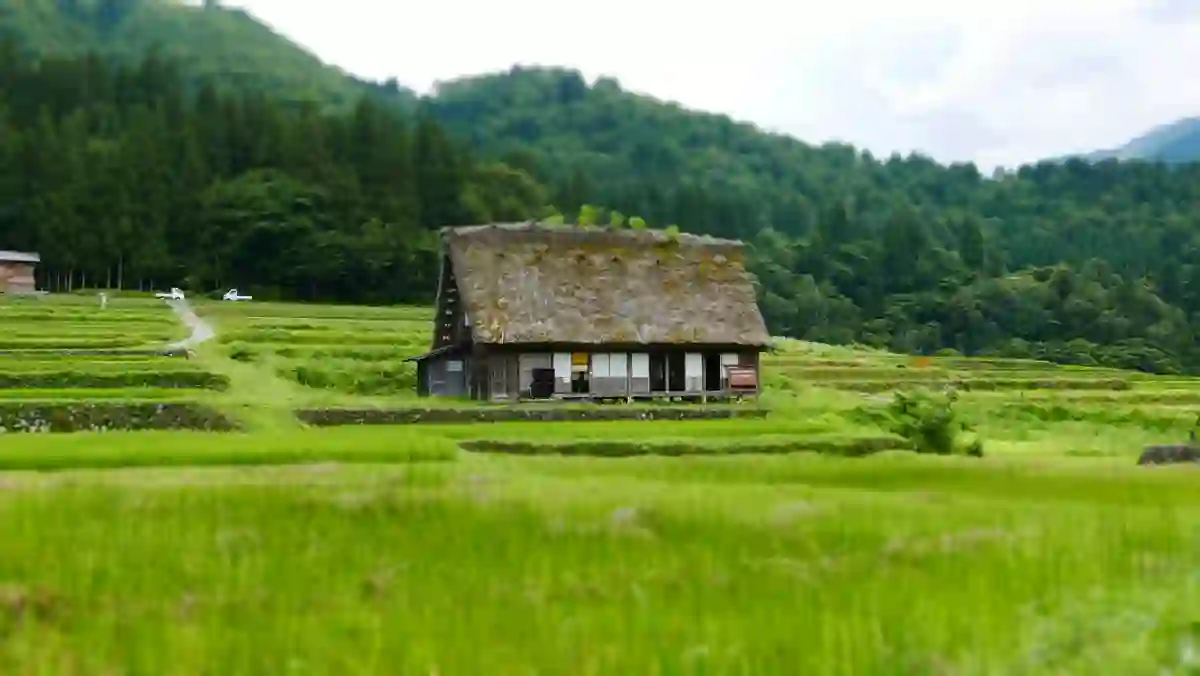
  • Shukunegi, a fishing village of tightly packed, weathered wooden houses considered one of Japan's most distinctive historic settlements
  • A long history as a place of exile, which shaped the island's distinct cultural identity over centuries
  • Traditional taraibune (tub boats), still used for fishing and now offered as a tourist experience in Shukunegi

Travel tips

Sado is reached by ferry from Niigata City — the island is large enough that a rental car makes a real difference in how much you can cover in a short visit.

Nearby: Niigata City

Zamami Island

#4

Zamami Island座間味島

Okinawa · Kerama Islands

Part of the Kerama Islands off Okinawa's main island, Zamami is known for "Kerama Blue" — an unusually vivid shade of turquoise water — plus some of the clearest snorkeling and diving conditions in Japan, and seasonal humpback whale watching.

Best for
Snorkeling and diving, Winter whale watching, A quiet, low-development island atmosphere
Best season
Summer for swimming and diving; late December through early April specifically for humpback whale watching
Suggested time
1-2 days

Highlights

  • Furuzamami Beach, consistently rated among Japan's best beaches, with a coral garden starting just 20 meters from shore
  • Humpback whale watching tours from around January to April, with Zamami Village advertising roughly a 90% sighting rate in season
  • A small, unhurried island with one village and a population of around 600

Travel tips

Zamami is reached by a 50-70 minute high-speed ferry from Tomari Port on Okinawa's main island — book ferry tickets ahead during peak summer and whale-watching season.

Nearby: Naha, Other Kerama Islands

Table of Contents

Who This Guide Is For

This is for travelers who’ve already covered Japan’s major cities, or who specifically want to build a trip around nature, art, or a slower pace rather than urban sightseeing. Each island here requires a genuine detour — this isn’t a list for anyone tight on time.

Best Time to Visit

  • Summer is the strongest season for Zamami (swimming, snorkeling, diving) and Yakushima (hiking, though rain is a year-round risk there).
  • Winter into early spring (roughly January to April) is specifically whale-watching season at Zamami.
  • Spring and autumn suit Naoshima and Sado well, both for weather and for avoiding the busiest summer travel period.

Suggested Route

Given how different these four are, most trips reasonably include just one:

  1. Art and architecture: Naoshima, paired with nearby Kurashiki and Okayama for an efficient regional loop.
  2. Nature and hiking: Yakushima, ideally with a few extra buffer days built in for weather.
  3. History and quiet villages: Sado Island, reached from Niigata.
  4. Beaches and marine life: Zamami, as an add-on to an Okinawa-based trip.

Practical Tips

  • Ferry schedules to all four islands are limited compared to mainland trains — check timetables well before finalizing a trip, since missing the last boat back can mean an unplanned extra night.
  • Cash is especially important on smaller islands, where card acceptance lags even further behind the mainland than in small mainland towns.
  • Accommodation options are more limited than on the mainland — book ahead, particularly for Zamami in whale-watching season and Naoshima during any Setouchi Triennale art festival period.

Ferry schedules, accommodation availability, and seasonal activities (especially whale watching) change year to year — confirm current details before finalizing plans.

For more overlooked destinations on the mainland, see our guide to Japan’s most underrated towns, and for planning around the seasons generally, our guide to Japan through the four seasons.

Frequently Asked Questions

Do I need diving or snorkeling experience to enjoy Zamami?

No — Furuzamami Beach's coral garden starts close enough to shore that basic snorkeling gear and comfort in shallow water is enough to see it. Scuba diving is available for those with more experience or who want to go further.

Is Naoshima worth it if I'm not especially interested in art?

It's a more niche pick than the other three in that sense — the appeal is specifically the art and architecture. If contemporary art doesn't interest you, Yakushima, Sado, or Zamami offer more nature- or history-focused reasons to visit.

How much extra travel time should I budget for these islands?

Plan for at least a half-day of dedicated travel time each way for any of these — none are a quick side trip from a mainland city, and ferry or flight schedules are typically limited to a few departures a day.

Which of these is best for a first-time visitor to Japan?

Realistically, none of them — this list is better suited to a second trip or an itinerary that's already deliberately built around going beyond the standard route, given the extra travel time each requires.

Written by a native of Japan

Know Before You Go

A few things a local would want you to know before your trip — manners, culture, and a few useful phrases, plus an honest take on what's genuinely great (and not so great) about traveling here.

Read the Full Guide

Comments

Comments are reviewed before they appear — yours won't show up immediately, but we do read every one.

Loading comments…