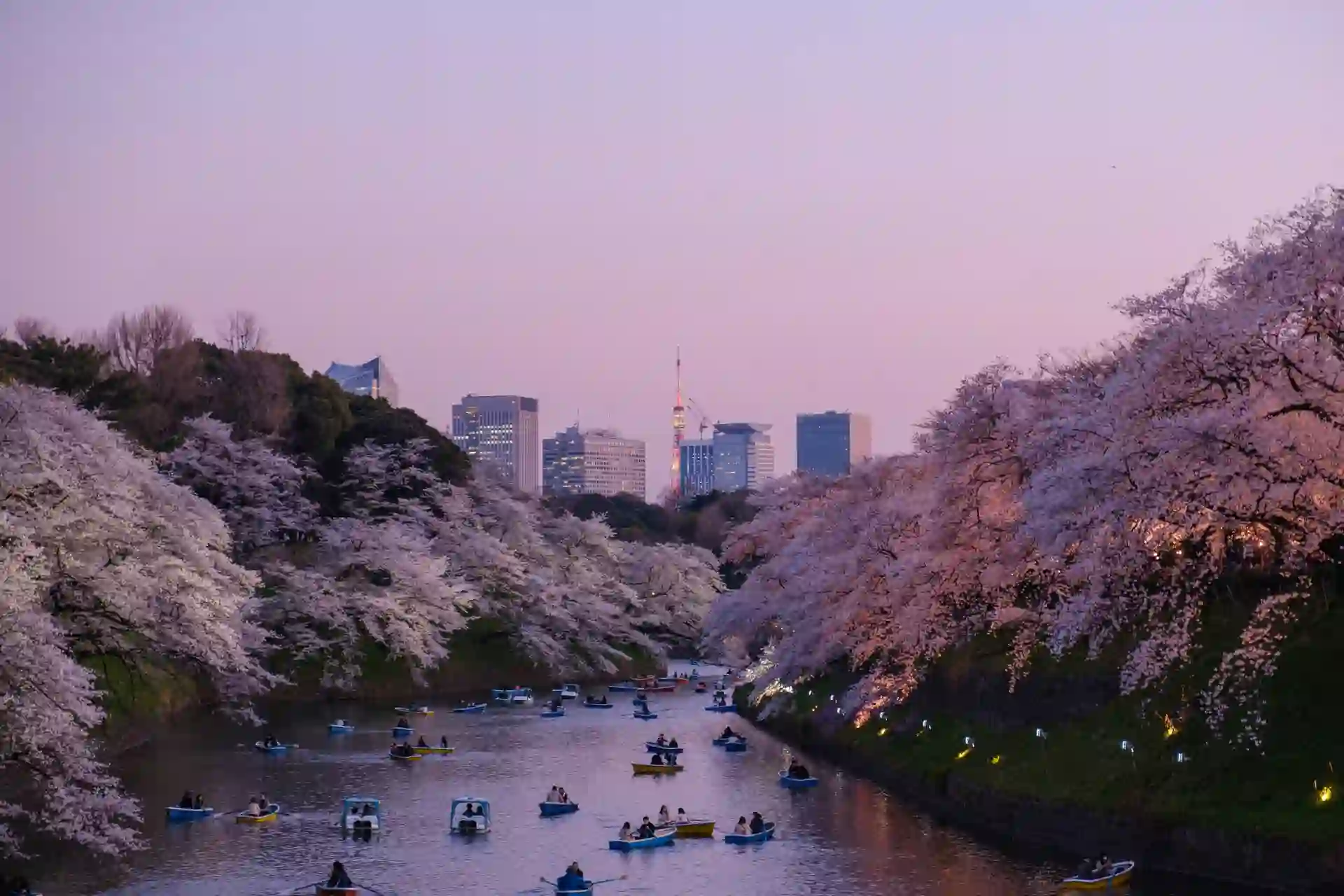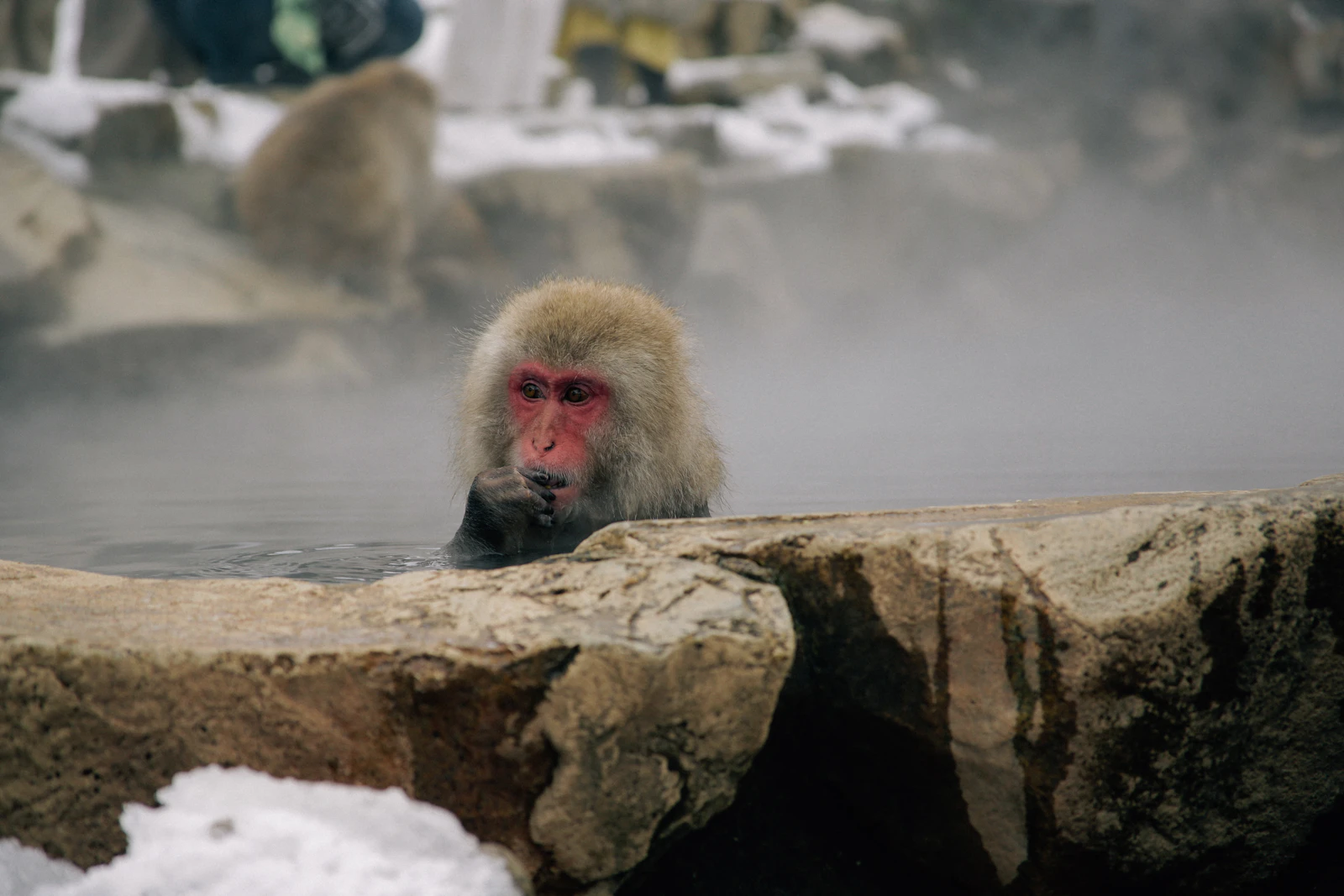
A Japanese macaque relaxing in a snow-covered hot spring

Onsen

Japan's Best Onsen Towns: Where to Soak After a Day of Sightseeing

From Kusatsu's acidic waters to a snow-covered Ginzan Onsen straight out of a Studio Ghibli film, these are the hot spring towns worth building a trip around.

Japan has more than 3,000 hot spring sources, and entire towns have grown up around the best of them — some dating back over a thousand years. An onsen town isn't just a bathhouse; it's usually a small, walkable district of ryokan (traditional inns), foot baths, narrow streets, and a slower pace than anywhere else on a typical itinerary.

These are the onsen towns with a genuinely distinct character, not just hot water — the ones worth planning a night or two around rather than squeezing in as an afterthought.

Quick Comparison

#NameLocationBest forBest seasonTime
1Kusatsu OnsenGunma, KantoFirst-time onsen visitors, A trip from Tokyo, Strong, mineral-rich waterWinter for the contrast with snow, but genuinely good year-round1-2 days
2Hakone OnsenKanagawa, KantoA quick trip from Tokyo, Mt. Fuji views, Combining onsen with sightseeingYear-round; clearest Fuji views tend to be in winter1-2 days
3Kinosaki OnsenHyogo, KansaiA classic onsen-town atmosphere, Yukata-clad evening walks, Combining with the Sea of Japan coastAutumn and winter, especially for matsuba crab season1-2 days
4Ginzan OnsenYamagata, TohokuPhotography, A romantic or special-occasion stay, Winter travelWinter, for snow-covered rooftops and evening lamplight1 night
5Noboribetsu OnsenHokkaido, HokkaidoVariety of water types, Combining with a Hokkaido itinerary, Volcanic sceneryWinter for snow, summer for cooler Hokkaido weather generally1-2 days
6Beppu OnsenOita, KyushuSheer variety of onsen experiences, Sand baths, A slightly quirky, sightseeing-heavy onsen tripYear-round1-2 days
7Nyuto OnsenkyoAkita, TohokuA remote, rustic atmosphere, Milky-white mineral water, Travelers who have already done the bigger-name onsen townsAutumn foliage and winter snow are both strong seasons here1-2 days

Where These Are

Kanto — Gunma, Kanagawa
Kansai — Hyogo
Tohoku — Yamagata, Akita
Hokkaido
Kyushu — Oita
Kusatsu Onsen

#1

Kusatsu Onsen草津温泉

Gunma · Kanto

Kusatsu has the largest volume of naturally flowing hot spring water of any onsen town in Japan, and water this abundant and this acidic is genuinely unusual. It's about 200km from Tokyo, close enough for a realistic overnight trip.

Best for
First-time onsen visitors, A trip from Tokyo, Strong, mineral-rich water
Best season
Winter for the contrast with snow, but genuinely good year-round
Suggested time
1-2 days

Highlights

  • Yubatake, the central "hot water field" where spring water is cooled and channeled through the town
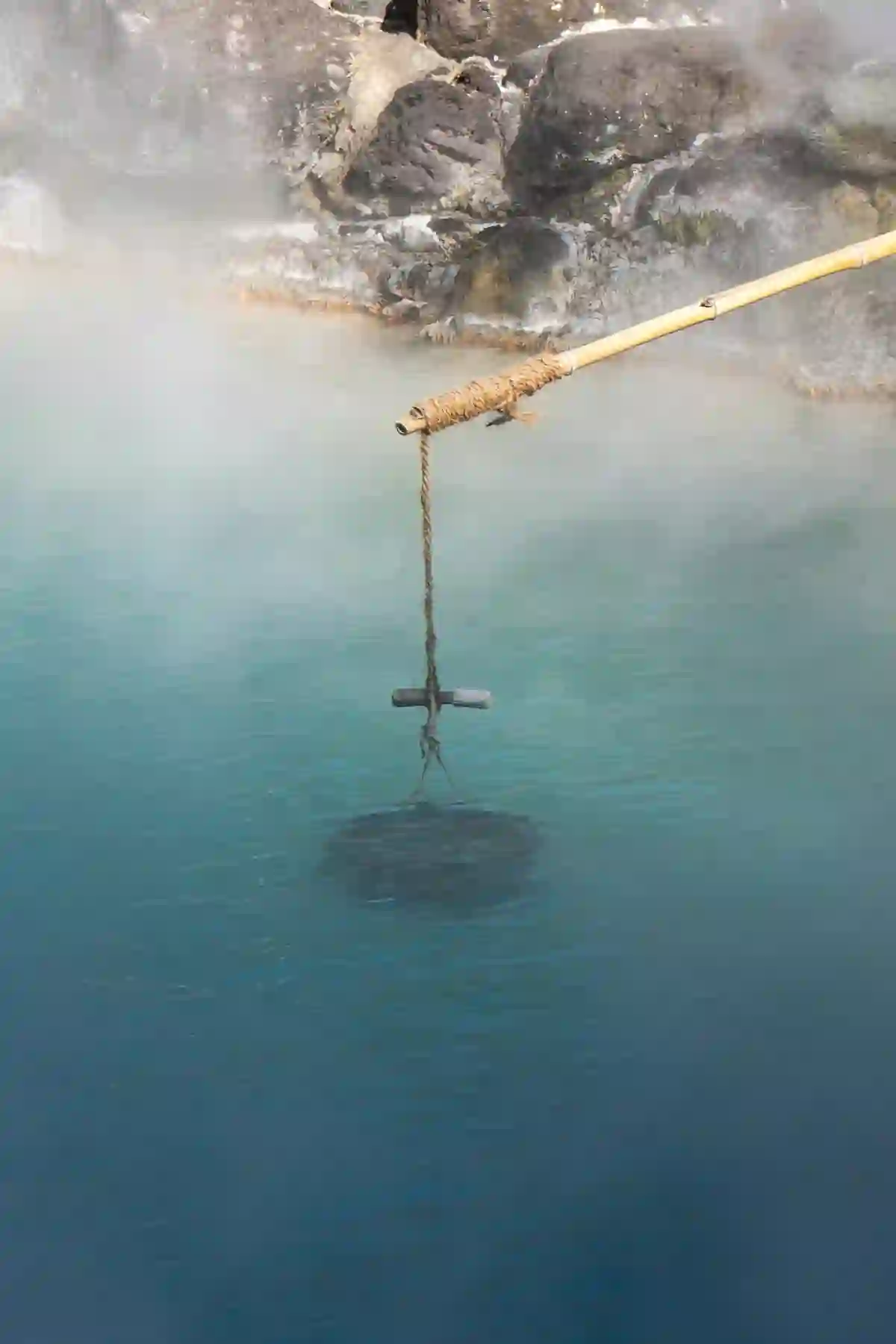
  • The yumomi water-cooling performance, a centuries-old tradition of stirring the water with long wooden paddles
  • Some of the most acidic, sulfur-rich water of any onsen in Japan

Cultural notes

The water is acidic enough that it's traditionally credited with strong antibacterial properties, which is part of why Kusatsu built its reputation centuries before modern medicine could explain why.

Travel tips

Kusatsu isn't directly on a shinkansen line — the most common route is train to Naganohara-Kusatsuguchi Station, then a bus into town.

Nearby: Karuizawa, Ikaho Onsen
Hakone Onsen

#2

Hakone Onsen箱根温泉

Kanagawa · Kanto

Hakone is the onsen trip for people who don't have a spare multi-day itinerary slot — it's close enough to Tokyo for a single overnight, with the added draw of outdoor baths that look out toward Mt. Fuji on a clear day.

Best for
A quick trip from Tokyo, Mt. Fuji views, Combining onsen with sightseeing
Best season
Year-round; clearest Fuji views tend to be in winter
Suggested time
1-2 days

Highlights

  • Outdoor baths (rotenburo) with Mt. Fuji visible in the distance from some ryokan
  • The Hakone Tozan Railway and ropeway, which turn getting there into part of the trip
  • Easy pairing with Lake Ashi and the Hakone Open-Air Museum

Travel tips

Hakone is popular enough that weekend ryokan bookings can fill up well in advance — a weekday visit gives noticeably more room to choose where you stay.

Nearby: Mt. Fuji, Odawara

Kinosaki Onsen

#3

Kinosaki Onsen城崎温泉

Hyogo · Kansai

Hot springs were first discovered in Kinosaki around the 8th century, and the town has spent the centuries since building a genuinely photogenic streetscape around them — a willow-lined canal, arched stone bridges, and rows of wooden ryokan.

Best for
A classic onsen-town atmosphere, Yukata-clad evening walks, Combining with the Sea of Japan coast
Best season
Autumn and winter, especially for matsuba crab season
Suggested time
1-2 days

Highlights

  • Seven public bathhouses (sotoyu) spread through town, each with its own character, meant to be visited in a circuit
  • A canal-side streetscape considered one of the most complete traditional onsen townscapes left in Japan
  • Matsuba crab, a Sea of Japan winter specialty, served at many ryokan in-season

Cultural notes

The custom here is to change into a yukata at your ryokan and walk between the different public bathhouses through town — the streets are genuinely built around that ritual, not just the baths themselves.

Travel tips

Most ryokan guests get a pass to the seven public bathhouses included with their stay, so it's worth choosing a ryokan specifically with that in mind rather than booking on price alone.

Nearby: Amanohashidate, Tottori Sand Dunes

Ginzan Onsen

#4

Ginzan Onsen銀山温泉

Yamagata · Tohoku

A small row of Taisho-era wooden ryokan lines a narrow river, lit by gas lamps at dusk — it's often cited as an inspiration for the bathhouse town in Spirited Away, and under snow it looks the part.

Best for
Photography, A romantic or special-occasion stay, Winter travel
Best season
Winter, for snow-covered rooftops and evening lamplight
Suggested time
1 night

Highlights

  • A compact, car-free street of wooden ryokan facing each other across the river
  • Gas lamps lit at dusk, one of the most photographed onsen scenes in Japan
  • A genuinely small scale — the whole town can be walked in minutes, which makes it feel unhurried

Travel tips

Ginzan Onsen is remote and rooms are limited, so ryokan here should be booked well ahead, especially for a winter weekend.

Nearby: Yamadera, Zao Onsen

Noboribetsu Onsen

#5

Noboribetsu Onsen登別温泉

Hokkaido · Hokkaido

Hokkaido's best-known onsen town sits at the edge of Jigokudani ("Hell Valley"), a volcanic crater that feeds the town's baths with an unusually wide range of mineral waters in one place.

Best for
Variety of water types, Combining with a Hokkaido itinerary, Volcanic scenery
Best season
Winter for snow, summer for cooler Hokkaido weather generally
Suggested time
1-2 days

Highlights

  • Jigokudani (Hell Valley), a steaming volcanic crater within walking distance of the ryokan district
  • An unusually wide range of spring water types feeding different baths in town
  • The Noboribetsu Onsen Water Festival and a fire-themed "Hell Fireworks" event held at different points in the year

Travel tips

Noboribetsu is a reasonable stop between Sapporo and Hakodate rather than a dedicated detour, which makes it easy to fold into a broader Hokkaido route.

Nearby: Sapporo, Lake Toya

Beppu Onsen

#6

Beppu Onsen別府温泉

Oita · Kyushu

Beppu has close to 3,000 hot spring sources and the highest volume of hot spring water of any city in Japan — second in the world only to Yellowstone. Steam visibly rises from rooftops and street corners across town.

Best for
Sheer variety of onsen experiences, Sand baths, A slightly quirky, sightseeing-heavy onsen trip
Best season
Year-round
Suggested time
1-2 days

Highlights

  • The Beppu Jigoku (Hells) tour, seven strikingly colored geothermal pools too hot to bathe in, meant purely for viewing
  • Suna-mushi sand baths, where you're buried up to the neck in naturally heated sand
  • Jigoku-mushi, food steamed using the direct heat of the springs

Cultural notes

The "hells" and the bathable onsen are two different things — the hells are sightseeing, while the actual bathing happens at separate public baths and ryokan around town.

Travel tips

Beppu is large and spread out compared to most onsen towns on this list, so it rewards picking two or three specific hells and baths rather than trying to see everything in one day.

Nearby: Yufuin, Fukuoka

Nyuto Onsenkyo

#7

Nyuto Onsenkyo乳頭温泉郷

Akita · Tohoku

A cluster of seven rustic hot springs tucked into the Akita mountains, each with its own distinct water source, and a genuinely secluded, hidden-away feel that's rare this close to a functioning tourist route.

Best for
A remote, rustic atmosphere, Milky-white mineral water, Travelers who have already done the bigger-name onsen towns
Best season
Autumn foliage and winter snow are both strong seasons here
Suggested time
1-2 days

Highlights

  • Tsurunoyu Onsen, over 350 years old and the most historic of the seven springs
  • Milky-white, mineral-heavy water distinct from the clear water at most other onsen on this list
  • A genuinely rustic, unpolished look — thatched and wooden buildings rather than modern ryokan architecture

Travel tips

This is a mountain hot spring area, not a walkable town — most of the seven springs are reached by a shuttle bus that loops between them, so plan around its schedule.

Nearby: Tazawako (Lake Tazawa), Kakunodate

Table of Contents

Who This Trip Is Best For

This is for travelers who want to build real downtime into a Japan itinerary rather than treating every day as a sightseeing checklist. It also rewards a bit of range — the towns here span a busy Tokyo day-trip (Hakone) all the way to a secluded mountain cluster reached only by shuttle bus (Nyuto Onsenkyo).

Best Time to Visit

  • Winter is arguably the classic onsen season — the contrast between hot water and cold air, plus snow-covered scenery at places like Ginzan Onsen and Noboribetsu, is hard to beat.
  • Autumn foliage pairs especially well with mountain onsen areas like Nyuto Onsenkyo.
  • Onsen bathing itself is a year-round activity — there’s no real off-season, just different scenery depending on when you go.

Suggested Route

A realistic onsen-focused addition to a first or second Japan trip:

  1. Near Tokyo (1-2 nights): Hakone or Kusatsu, depending on whether Fuji views or mineral-rich water matters more to you.
  2. Kansai add-on (1-2 nights): Kinosaki Onsen, especially if you’re already routing through Kyoto or Osaka toward the Sea of Japan coast.
  3. A dedicated onsen trip: Tohoku’s Ginzan Onsen and Nyuto Onsenkyo, or Kyushu’s Beppu, work best as the anchor of their own regional trip rather than a quick add-on.

Practical Tips

  • Bring your own small towel if your ryokan doesn’t provide one for the walk between bathhouses — some public baths charge a small fee for a rental towel.
  • Most onsen require full nudity in the bathing area itself — swimsuits are generally not permitted in traditional baths, though some newer or mixed-use facilities are an exception.
  • If you have tattoos, it’s worth checking a specific onsen’s policy before you arrive rather than assuming either way. See our onsen etiquette guide for the full rundown.

Ryokan availability, bathhouse hours, and specific policies (tattoos, day-use access) change over time and by establishment — treat the above as a starting point to confirm closer to your trip.

Where to Stay

For most of these towns, staying at a ryokan directly in the onsen district is the point — the walk between bathhouses, the yukata, and the kaiseki dinner are as much a part of the experience as the bathing itself. Booking a ryokan with its own private or exclusive bath is worth the premium if soaking without limited public hours matters to you.

Things to Book

  • Ryokan reservations, especially for smaller, well-known spots like Ginzan Onsen and Nyuto Onsenkyo, which have limited rooms and can book out weeks ahead for peak season.
  • Regional transportation, since several of these towns (Nyuto Onsenkyo especially) require a specific bus or shuttle connection beyond the main train line.

New to onsen culture entirely? Read our onsen etiquette guide before you go. For more on planning around Japan’s seasons, see our guide to Japan through the four seasons.

Frequently Asked Questions

Can I visit an onsen if I have tattoos?

It depends entirely on the individual onsen — some still restrict visible tattoos, others are tattoo-friendly, and many offer private baths as a workaround. See our full guide to onsen etiquette for how to navigate this.

Do I need to stay overnight, or can I just visit for the day?

Many onsen towns offer day-use access to at least some baths, so an overnight stay isn't strictly required — but staying at a ryokan is what gives you access to the full experience (kaiseki dinner, yukata, private or exclusive baths) rather than just the bathing itself.

Which onsen town is best for a first trip to Japan?

Hakone or Kusatsu are the most practical first choices, since both are reachable from Tokyo without a major detour. Save the more remote options like Nyuto Onsenkyo or Ginzan Onsen for a second trip or a itinerary that already covers Tohoku or Hokkaido.

Is mixed-gender bathing common?

No — the overwhelming majority of onsen today have separate baths for men and women. Mixed-gender (konyoku) baths still exist in a small number of rural, historic locations, but they're the exception, not the norm.

Written by a native of Japan

Know Before You Go

A few things a local would want you to know before your trip — manners, culture, and a few useful phrases, plus an honest take on what's genuinely great (and not so great) about traveling here.

Read the Full Guide

Comments

Comments are reviewed before they appear — yours won't show up immediately, but we do read every one.

Loading comments…