Food

Japan's Convenience Store Food Worth Seeking Out

Fried chicken, onigiri, oden, and desserts good enough to build a meal around — a category-by-category guide to what is actually worth buying at 7-Eleven, Lawson, and FamilyMart.

Konbini (convenience stores) in Japan operate on a different level than convenience stores elsewhere, with genuine quality control and product development behind items that would be an afterthought anywhere else. The three major chains — 7-Eleven, Lawson, and FamilyMart — each have their own signature items worth knowing about before you just grab whatever is closest.

This is organized by food category rather than by chain, since the more useful question while standing in a konbini is usually "what's good here" rather than "which chain is best overall."

Quick Comparison

#NameBest for
1Fried ChickenA hot, quick snack, Comparing chains directly, Budget-friendly protein
2OnigiriA quick, portable meal, Trying regional and seasonal flavors, Very low cost
3OdenCold-weather comfort food, A customizable, pay-by-piece meal, A distinctly Japanese convenience-store experience
4Sweets and DessertsAn affordable treat, Seasonal and limited-edition items, A dessert without needing a dedicated bakery stop
Fried Chicken

#1

Fried Chickenからあげ

Each major chain has its own signature fried chicken, sold hot from a case near the register, and comparing them is a genuine, commonly discussed pastime among regulars.

Best for
A hot, quick snack, Comparing chains directly, Budget-friendly protein

Highlights

  • FamilyMart's Famichiki, widely regarded as a standout among the three
  • Lawson's Karaage-kun, sold in several flavors including a spicy red version and a cheese version, distinguished by its mascot packaging
  • 7-Eleven's Nana Chiki, the least flashy of the three but a solid, consistent option

Travel tips

These are kept hot in a case near the register and bought straight from staff rather than picked up prepackaged — point or use a translation app if needed.
Onigiri

#2

Onigiriおにぎり

Rice balls filled with a wide range of ingredients, engineered with a clever wrapping system that keeps the nori seaweed crisp until the moment it is opened.

Best for
A quick, portable meal, Trying regional and seasonal flavors, Very low cost

Highlights

  • Common fillings include salmon, tuna mayo, mentaiko (spiced cod roe), and umeboshi (pickled plum)
  • A three-step opening mechanism specifically designed to keep the seaweed separate from the rice until you are ready to eat
  • Seasonal and limited-edition flavors that rotate throughout the year

Cultural notes

Onigiri fillings are a genuine point of regional and personal preference in Japan, similar to how people have strong opinions about sandwich fillings elsewhere.

Travel tips

Look for the fold-out tab and follow the numbered steps printed on the wrapper — opening it the wrong way can tear the seaweed or rice apart.

Oden

#3

Odenおでん

A pot of simmered ingredients — daikon, eggs, fish cakes, and more — kept warm at the counter and sold by the piece, available only in the colder months.

Best for
Cold-weather comfort food, A customizable, pay-by-piece meal, A distinctly Japanese convenience-store experience

Highlights

  • Sold by the piece, typically in the range of a hundred or so yen each, so a full meal can be built to any size
  • Common items include daikon radish, boiled eggs, konnyaku, and various fish cakes
  • Served in a plastic bowl with broth and chopsticks, ready to eat immediately

Cultural notes

Oden is a genuinely seasonal item, generally available only from around October through March — it will not be on offer outside that window.

Travel tips

Point at what you want in the pot and staff will use tongs to serve it — no need to know all the Japanese names in advance.

Sweets and Desserts

#4

Sweets and Dessertsスイーツ

Convenience store dessert quality is high enough that Japanese consumers and food media treat konbini sweets as a legitimate category worth comparing, not just an afterthought.

Best for
An affordable treat, Seasonal and limited-edition items, A dessert without needing a dedicated bakery stop

Highlights

  • Lawson in particular has built a strong reputation for its premium pudding and cheesecake under its Uchi Cafe label
  • Seasonal fruit sandwiches and cakes that rotate with the calendar
  • Frequent limited-edition collaborations and flavors, especially around regional or seasonal fruit

Travel tips

If a specific limited-edition item catches your eye, it is worth buying on sight rather than planning to come back — konbini items rotate quickly and are not restocked once discontinued.

Table of Contents

Who This Guide Is For

This is for budget-conscious travelers, anyone curious about Japan’s food culture beyond restaurants, or simply anyone who wants to know what is actually worth grabbing during a quick stop rather than defaulting to the first thing they see.

Practical Tips

  • Konbini are genuinely everywhere in Japanese cities, often multiple locations within a short walk of each other — there is rarely a need to go out of your way.
  • Most items are priced individually and clearly, making it easy to build a full meal from a few different categories without overspending.
  • Staff turnover of stock is frequent, and popular or limited-edition items can sell out, especially in the morning before the lunch rush.

Specific product names, flavors, and prices change frequently and vary by chain and season — treat the categories above as a guide to what to look for rather than a guarantee of exact current offerings.

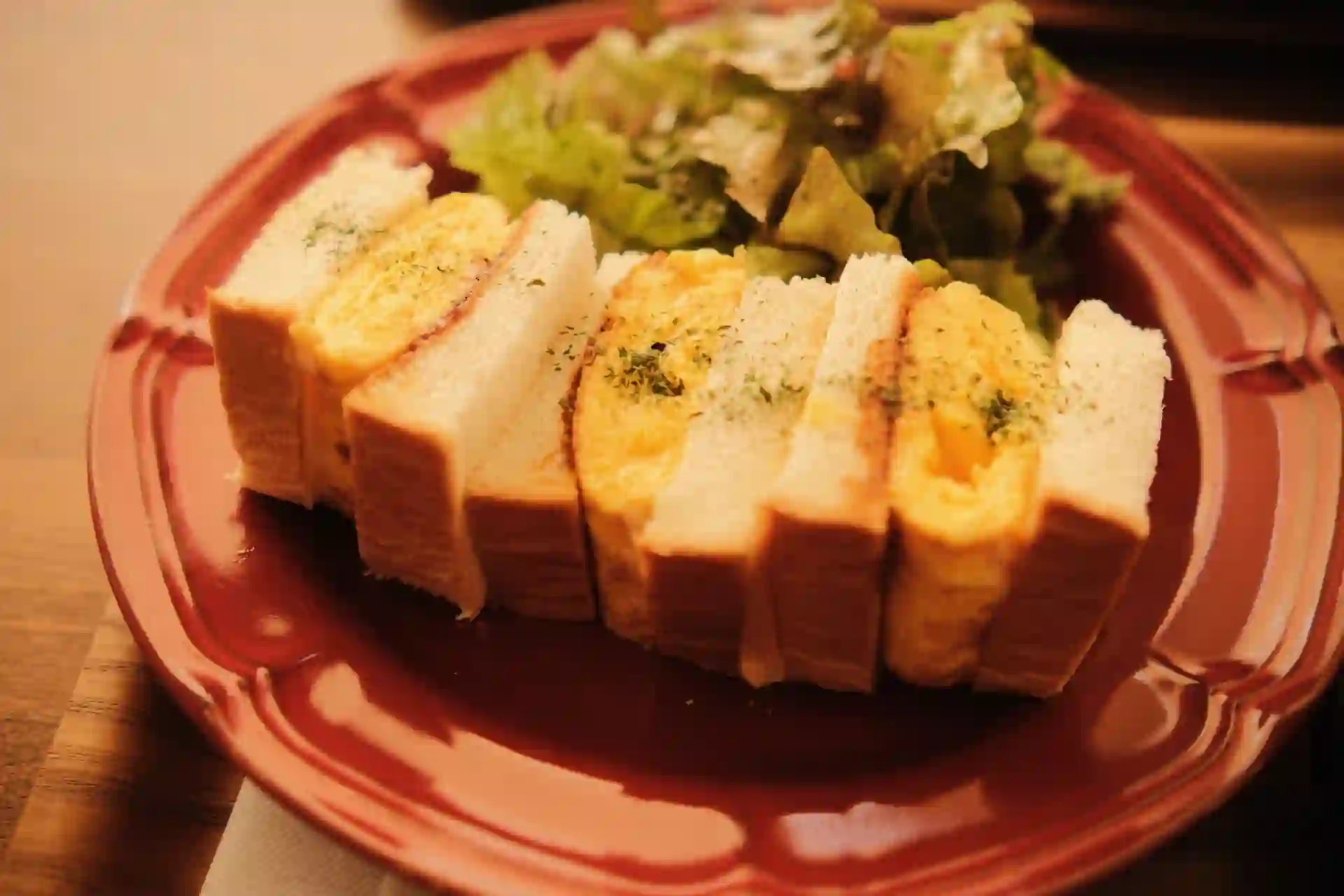
For a deeper look at one specific convenience store item, see our tamago sando taste test, and for Japan’s broader regional food identity, our guide to Japan’s best food regions.

Frequently Asked Questions

Which convenience store chain is best overall?

There is no single answer — 7-Eleven is generally considered strong across the board (particularly egg sandwiches and onigiri), Lawson leads on desserts, and FamilyMart is often singled out for its fried chicken. Trying items from all three is part of the appeal.

Can I heat up food at a convenience store?

Yes — staff will typically ask if you want an item heated, or you can ask them to (using a microwave behind the counter). This is completely normal for bento boxes and many hot snacks.

Is convenience store food a reasonable way to eat for a whole trip?

It works well as a budget-friendly option for some meals, especially breakfast or a quick lunch while sightseeing, though most travelers mix it with restaurant meals rather than relying on it exclusively.

Do convenience stores accept credit cards and IC cards?

The major chains generally accept credit cards, IC transit cards (like Suica or Pasmo), and increasingly mobile payment apps, though smaller or more rural locations may be more cash-focused.

Written by a native of Japan

Know Before You Go

A few things a local would want you to know before your trip — manners, culture, and a few useful phrases, plus an honest take on what's genuinely great (and not so great) about traveling here.

Read the Full Guide

Comments

Comments are reviewed before they appear — yours won't show up immediately, but we do read every one.

Loading comments…