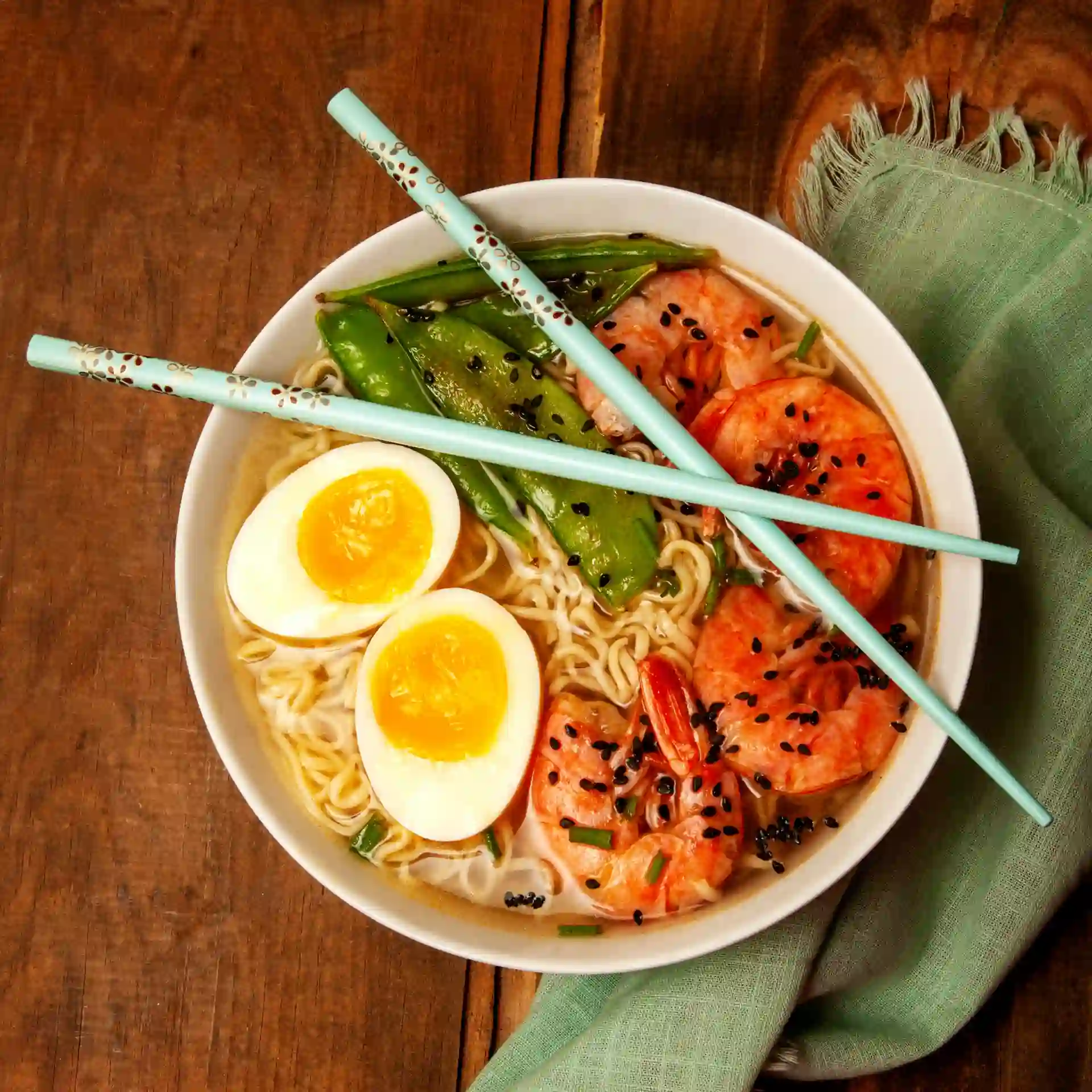
Overhead view of a Japanese ramen bowl with shrimp, soft-boiled egg, and snap peas

Food

Japan's Regional Ramen Styles: A Bowl-by-Bowl Guide

Sapporo miso, Hakata tonkotsu, Kitakata shoyu, and more — ramen changes dramatically by region in Japan. Here is what actually makes each style distinct.

Ramen is not one dish in Japan — it is a category with genuinely distinct regional traditions, each built around a different broth, noodle, and local history. Ordering "ramen" without knowing the regional context is a bit like ordering "pizza" without specifying Neapolitan or Chicago deep-dish.

This is a guide to the major regional styles, what makes each one different, and where each one actually comes from.

Quick Comparison

#NameLocationBest for
1Sapporo Miso RamenHokkaido, HokkaidoA rich, warming bowl, Cold-weather comfort food, Sweet corn and butter toppings
2Hakata Tonkotsu RamenFukuoka, KyushuA rich, creamy pork broth, Thin, quick-cooking noodles, Late-night yatai stall dining
3Kitakata Shoyu RamenFukushima, TohokuA lighter, clear soy sauce broth, Thick, wavy handmade noodles, A ramen-focused day trip
4Tokyo Shoyu RamenTokyo, KantoA balanced, approachable broth, A starting point for understanding ramen broadly, Wide availability
5Wakayama RamenWakayama, KansaiA tonkotsu-shoyu hybrid broth, A distinctive side-dish ordering culture, A lesser-known Kansai detour
6Yokohama Iekei RamenKanagawa, KantoA hearty, filling meal, Customizable toppings, Fans of both tonkotsu and shoyu styles

Where These Are

Hokkaido
Kyushu — Fukuoka
Tohoku — Fukushima
Kanto — Tokyo, Kanagawa
Kansai — Wakayama
Sapporo Miso Ramen

#1

Sapporo Miso Ramen札幌味噌ラーメン

Hokkaido · Hokkaido

One of the styles that put regional ramen on the map, built around a rich miso-based broth developed to stand up to Hokkaido's cold winters.

Best for
A rich, warming bowl, Cold-weather comfort food, Sweet corn and butter toppings

Highlights

  • A miso broth with real depth, often blended from multiple miso types
  • Common toppings of butter and sweet corn, reflecting Hokkaido's dairy and produce
  • Thick, curly noodles built to hold up to the heavier broth

Cultural notes

Miso ramen as a category is generally traced back to Sapporo, making this less a regional variation of an existing dish and more the origin point of an entire ramen category.

Travel tips

Sapporo's Ramen Yokocho (Ramen Alley) is a compact street of ramen shops in the city center, a practical way to sample the style without much research.

Hakata Tonkotsu Ramen

#2

Hakata Tonkotsu Ramen博多とんこつラーメン

Fukuoka · Kyushu

Often treated as the archetype of tonkotsu ramen nationwide, built on a pork bone broth boiled for hours until it turns cloudy white and rich.

Best for
A rich, creamy pork broth, Thin, quick-cooking noodles, Late-night yatai stall dining

Highlights

  • A cloudy, collagen-rich pork bone broth simmered for a long time
  • Very thin noodles, traditionally cooked quickly and often available with a firmness request (from very soft to extra firm)
  • Kaedama, a common practice of ordering a second serving of noodles to finish the remaining broth

Cultural notes

Fukuoka's yatai (open-air food stalls) are closely associated with this style, and eating tonkotsu ramen at a yatai is considered one of the more distinctive food experiences in the city.

Travel tips

Noodle firmness can usually be specified when ordering — worth knowing if you have a preference, since the default firmness varies by shop.

Kitakata Shoyu Ramen

#3

Kitakata Shoyu Ramen喜多方醤油ラーメン

Fukushima · Tohoku

Considered one of Japan's "big three" regional ramen styles alongside Sapporo and Hakata, from a small city in Fukushima with an unusually high density of ramen shops for its size.

Best for
A lighter, clear soy sauce broth, Thick, wavy handmade noodles, A ramen-focused day trip

Highlights

  • A soy sauce (shoyu) broth typically built on pork or dried sardine stock, or both
  • Distinctively thick, wavy, flat noodles unlike the thinner styles found elsewhere
  • A local culture of eating ramen for breakfast, still practiced at some shops

Travel tips

Kitakata is small enough that a dedicated ramen-focused day trip from Fukushima or Aizuwakamatsu is a realistic way to compare several shops in one visit.

Tokyo Shoyu Ramen

#4

Tokyo Shoyu Ramen東京醤油ラーメン

Tokyo · Kanto

A balanced, savory soy sauce broth generally considered the closest thing to Japan's "original" ramen style, predating the more recent regional variations that built on it.

Best for
A balanced, approachable broth, A starting point for understanding ramen broadly, Wide availability

Highlights

  • A clear, light-brown broth built from chicken, vegetables, dried sardines, and kombu
  • A savory but not overly salty or heavy profile compared to tonkotsu or miso styles
  • The widest availability of any style, given Tokyo's sheer number of ramen shops

Travel tips

Precisely because this style is everywhere in Tokyo, it rewards seeking out a specifically well-regarded shop rather than picking one at random.

Wakayama Ramen

#5

Wakayama Ramen和歌山ラーメン

Wakayama · Kansai

A regional style built on a combined tonkotsu-shoyu broth, traditionally eaten alongside pressed sushi and boiled eggs available directly at the table.

Best for
A tonkotsu-shoyu hybrid broth, A distinctive side-dish ordering culture, A lesser-known Kansai detour

Highlights

  • A rich broth blending pork bone body with a soy sauce base
  • Early-pressed sushi (hayazushi) and boiled eggs commonly placed on the table for self-serve ordering
  • A more compact, less internationally known style compared to Sapporo or Hakata

Travel tips

The self-serve side dishes are tallied by the empty plates left on your table at the end of the meal, so do not worry about tracking what you have eaten as you go.

Yokohama Iekei Ramen

#6

Yokohama Iekei Ramen横浜家系ラーメン

Kanagawa · Kanto

A newer style, created in the 1970s, that deliberately combines Hakata's tonkotsu richness with Tokyo's soy sauce base into one bowl.

Best for
A hearty, filling meal, Customizable toppings, Fans of both tonkotsu and shoyu styles

Highlights

  • A tonkotsu-shoyu broth with thick, straight noodles
  • Large sheets of nori and a portion generous enough to typically include a side of rice
  • A customizable ordering system for broth richness, oil amount, and noodle firmness at many shops

Travel tips

Iekei shops often use a ticket-machine ordering system with customization options listed in Japanese — a translation app is useful here if you want to fine-tune your order.

Table of Contents

Who This Guide Is For

This is for anyone who wants to understand ramen as a genuinely regional food culture rather than a single dish, and who would rather seek out a specific style deliberately than order whatever ramen shop happens to be nearby.

How These Compare

  • Broth base is the biggest differentiator: tonkotsu (pork bone) styles are rich and cloudy, shoyu (soy sauce) styles are lighter and clearer, and miso styles sit in between with a deeper, more savory profile.
  • Noodle thickness and texture vary meaningfully by region, from Hakata’s thin noodles to Kitakata’s thick, wavy ones.
  • Toppings and sides reflect local ingredients and customs, from Sapporo’s corn and butter to Wakayama’s tableside sushi.

Specific shop recommendations, prices, and regional specialties can change over time — treat the descriptions above as a guide to each style’s character rather than a guarantee of what any single shop currently serves.

Practical Tips

  • Most ramen shops, especially in bigger cities, use ticket vending machines at the entrance — select and pay before sitting down in many cases.
  • Slurping noodles is normal and not considered rude in Japan, and is even thought to enhance the flavor by aerating the broth.
  • Meals tend to be quick and solitary by design at most ramen counters — it is a fast, efficient meal culture rather than a lingering one.

For the broader regional food picture beyond ramen, see our guide to Japan’s best food regions, or for a deep dive into another Japanese comfort food, our tamago sando comparison.

Frequently Asked Questions

Which ramen style should I try first?

Tokyo shoyu is the most approachable starting point, given how balanced and widely available it is. From there, tonkotsu (Hakata) and miso (Sapporo) represent the two richest, most distinct directions to branch into.

Is tonkotsu ramen the same everywhere in Japan?

No — while tonkotsu broth appears in several regional styles, Hakata's version, Wakayama's tonkotsu-shoyu blend, and Yokohama's iekei style are all meaningfully different from each other despite sharing a pork-bone base.

Can I find all these styles in Tokyo?

Largely yes — Tokyo's ramen scene is large and varied enough that most regional styles have at least some representation there, though eating a style in its home region generally means more shops to compare and a stronger connection to its history.

Are there vegetarian ramen options?

They exist but are the exception rather than the norm, since most traditional broths are pork, chicken, or fish-based. Larger cities increasingly have dedicated vegetarian or vegan ramen shops if this is a priority.

Written by a native of Japan

Know Before You Go

A few things a local would want you to know before your trip — manners, culture, and a few useful phrases, plus an honest take on what's genuinely great (and not so great) about traveling here.

Read the Full Guide

Comments

Comments are reviewed before they appear — yours won't show up immediately, but we do read every one.

Loading comments…